Healthy Oils: Good Fats vs Bad Fats – A Complete Guide to Choosing the Best Cooking Oils for Better Health
Healthy Oils: Good Fats vs Bad Fats – A Complete Guide
Choosing the right cooking oil is one of the most important decisions for maintaining a healthy lifestyle. While fats have often been misunderstood, the truth is that not all fats are harmful. Your body needs healthy fats for energy, brain function, hormone production, and the absorption of essential vitamins.
The key is understanding the difference between good fats and bad fats and selecting healthy oils that support long-term health. This guide explains everything you need to know about healthy oils, the different types of fats, their health benefits, and practical tips for making healthier choices every day.
What Are Healthy Oils?
Healthy oils are oils that contain a high amount of unsaturated fats and natural nutrients. These oils help reduce harmful cholesterol, improve heart health, support brain function, and reduce inflammation.
Healthy oils are generally extracted from plants, seeds, nuts, or fruits using methods that preserve their nutritional value.
Examples include:
-
Olive Oil
-
Avocado Oil
-
Canola Oil
-
Sesame Oil
-
Peanut Oil
-
Sunflower Oil
-
Safflower Oil
-
Flaxseed Oil
-
Walnut Oil
These oils contain nutrients like Vitamin E, antioxidants, and essential fatty acids that are beneficial for overall health.
Understanding Different Types of Fats
1. Good Fats (Unsaturated Fats)
Good fats are considered heart-friendly fats. They help lower bad cholesterol (LDL) while increasing good cholesterol (HDL).
There are two main types:
Monounsaturated Fats (MUFA)
These fats improve heart health and help regulate blood sugar.
Common sources include:
-
Olive Oil
-
Avocado Oil
-
Peanut Oil
-
Almonds
-
Cashews
Benefits
-
Supports heart health
-
Lowers LDL cholesterol
-
Rich in antioxidants
-
Helps control blood sugar
-
Reduces inflammation
Polyunsaturated Fats (PUFA)
These fats contain Omega-3 and Omega-6 fatty acids that your body cannot produce naturally.
Common sources:
-
Sunflower Oil
-
Soybean Oil
-
Flaxseed Oil
-
Walnut Oil
-
Fish Oil
Benefits
-
Supports brain development
-
Improves heart health
-
Reduces inflammation
-
Helps maintain healthy skin
-
Supports eye health
Bad Fats
Bad fats increase the risk of heart disease, obesity, diabetes, and high cholesterol.
Saturated Fats
These fats are solid at room temperature.
Common sources:
-
Butter
-
Ghee (consume in moderation)
-
Coconut Oil
-
Palm Oil
-
Full-fat dairy products
-
Fatty meat
While recent studies suggest moderate intake may not be harmful for everyone, excessive consumption should still be avoided.
Health Risks
-
Raises LDL cholesterol
-
Increases cardiovascular risk
-
May contribute to weight gain
Trans Fats
Trans fats are considered the most harmful dietary fats.
They are often created through hydrogenation, which increases shelf life.
Found in:
-
Fried foods
-
Packaged snacks
-
Bakery products
-
Margarine
-
Fast food
-
Processed foods
Health Risks
-
Raises bad cholesterol
-
Lowers good cholesterol
-
Increases heart disease risk
-
Causes inflammation
-
Increases diabetes risk
Health experts recommend avoiding trans fats completely.
Best Healthy Oils for Everyday Cooking
1. Extra Virgin Olive Oil
Best for:
-
Salads
-
Light cooking
-
Dressing
Benefits:
-
Rich in antioxidants
-
High in healthy fats
-
Supports heart health
-
Anti-inflammatory properties
2. Avocado Oil
Best for:
-
High-heat cooking
-
Grilling
-
Stir-frying
Benefits:
-
Excellent source of Vitamin E
-
High smoke point
-
Supports skin health
-
Rich in monounsaturated fats
3. Canola Oil
Benefits:
-
Low saturated fat
-
Rich in Omega-3
-
Heart-friendly
-
Suitable for daily cooking
4. Sesame Oil
Popular in Asian cuisine.
Benefits:
-
Rich in antioxidants
-
Supports heart health
-
Improves flavor
-
Contains healthy fats
5. Peanut Oil
Benefits:
-
High smoke point
-
Good for frying
-
Rich in Vitamin E
-
Contains healthy monounsaturated fats
6. Flaxseed Oil
Best consumed raw.
Benefits:
-
Excellent Omega-3 source
-
Supports heart health
-
Helps reduce inflammation
Avoid heating flaxseed oil, as high temperatures destroy its nutrients.
Good Fats vs Bad Fats Comparison
| Good Fats | Bad Fats |
|---|---|
| Lower bad cholesterol | Increase bad cholesterol |
| Improve heart health | Increase heart disease risk |
| Support brain function | Increase inflammation |
| Help absorb vitamins | Increase obesity risk |
| Found in healthy oils, nuts, seeds | Found in processed foods and trans fats |
How to Choose the Right Cooking Oil
When buying cooking oil, look for:
-
Cold-pressed or extra virgin varieties
-
Low trans fat
-
Rich in monounsaturated fats
-
High smoke point if frying
-
Minimal processing
-
No hydrogenated oils
Reading nutrition labels can help you make informed choices.
Healthy Cooking Tips
To get the maximum health benefits from oils:
-
Rotate different healthy oils instead of using only one type.
-
Avoid overheating oils repeatedly.
-
Store oils in a cool, dark place.
-
Use smaller quantities, as all oils are calorie-dense.
-
Prefer baking, steaming, grilling, or sautéing instead of deep frying.
Common Myths About Fats
Myth 1: All fats are unhealthy.
Fact: Healthy fats are essential for your body and overall well-being.
Myth 2: Fat-free foods are always healthier.
Fact: Many fat-free products contain added sugar and artificial ingredients.
Myth 3: Coconut oil is always the healthiest option.
Fact: Coconut oil contains a high amount of saturated fat and should be consumed in moderation.
Myth 4: Olive oil cannot be used for cooking.
Fact: Olive oil is suitable for many cooking methods, especially low to medium heat.
Frequently Asked Questions (FAQs)
Which cooking oil is the healthiest?
Extra Virgin Olive Oil and Avocado Oil are among the healthiest choices due to their high content of monounsaturated fats and antioxidants.
Are all fats bad?
No. Unsaturated fats are beneficial and play an important role in maintaining heart, brain, and overall health.
Should I completely avoid saturated fats?
Not necessarily. Moderate intake is generally acceptable for most healthy individuals, but excessive consumption should be avoided.
Why are trans fats dangerous?
Trans fats increase bad cholesterol, decrease good cholesterol, and significantly raise the risk of heart disease and stroke.
Can healthy oils help with weight management?
Healthy oils can be part of a balanced diet, but portion control is important because oils are calorie-rich.
Conclusion
Healthy eating is not about eliminating fats—it is about choosing the right kinds of fats. Replacing bad fats with healthy oils can improve heart health, brain function, energy levels, and overall well-being. Oils such as olive oil, avocado oil, sesame oil, and flaxseed oil provide essential nutrients that support a balanced lifestyle.
Instead of avoiding fats altogether, focus on consuming healthy oils in moderation, limiting processed foods, and maintaining an overall nutritious diet. Small changes in your cooking habits today can have a significant positive impact on your long-term health.
SEO URL Slug
healthy-oils-good-fats-vs-bad-fats
Image Alt Text
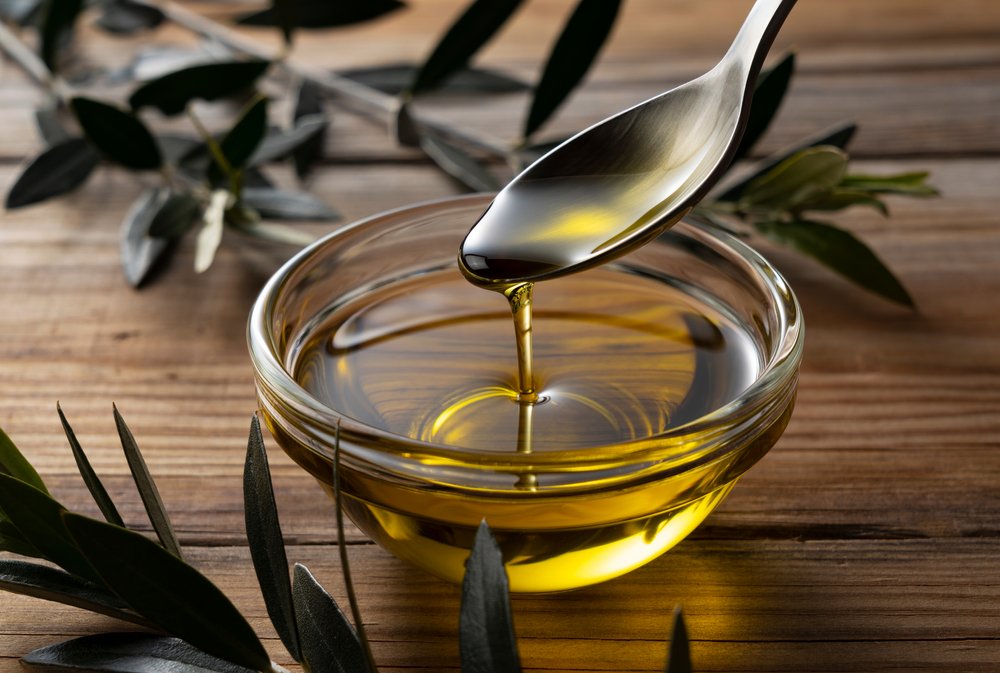
Healthy cooking oils showing olive oil, avocado oil, sesame oil, sunflower oil, and flaxseed oil with the comparison of good fats vs bad fats.
Suggested Internal Links
-
Best Foods for Heart Health
-
High Protein Foods Guide
-
Benefits of Omega-3 Fatty Acids
-
Healthy Weight Loss Diet Plan
-
Foods That Lower Cholesterol
Suggested External References
-
World Health Organization (WHO)
-
American Heart Association (AHA)
-
Harvard T.H. Chan School of Public Health