Medicine: A Complete Guide to Safe Use, Benefits, and Precautions
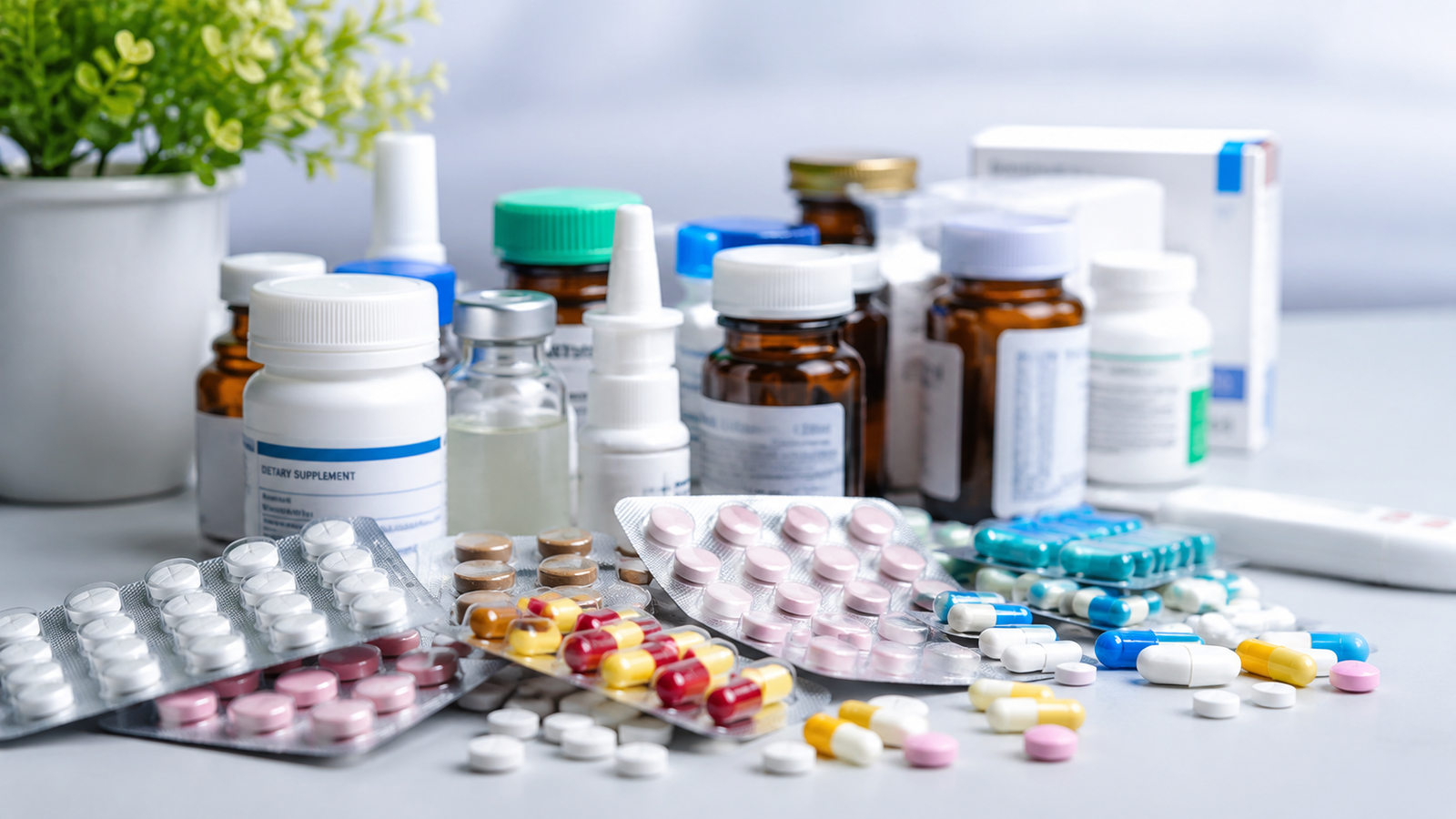
Medicines play a vital role in modern healthcare by preventing, treating, and managing various diseases and medical conditions. From relieving common headaches to controlling chronic illnesses such as diabetes and high blood pressure, medicines have significantly improved the quality of life for millions of people worldwide. However, using medicines responsibly is just as important as having access to them. Understanding how medicines work, their benefits, possible side effects, and proper usage can help patients achieve better health outcomes while minimizing risks.
Medicines are generally classified into two categories: prescription medicines and over-the-counter (OTC) medicines. Prescription medicines are provided by licensed healthcare professionals and should only be used under medical supervision. OTC medicines, on the other hand, can be purchased without a prescription and are commonly used for minor illnesses such as fever, cold, cough, allergies, and pain relief. Regardless of the type, every medicine should be taken according to the recommended dosage and instructions.
One of the most important aspects of medicine safety is following the prescribed dosage. Taking more medicine than recommended does not make recovery faster and may increase the risk of side effects or serious health complications. Similarly, skipping doses or stopping medication without consulting a doctor can reduce the effectiveness of treatment. Patients should always read the label, understand the instructions, and ask their healthcare provider if they have any questions about their medication.
Medicines can sometimes cause side effects, ranging from mild symptoms such as nausea and dizziness to more serious allergic reactions. Not everyone experiences side effects, but it is important to be aware of them. If unusual symptoms occur after taking a medicine, medical advice should be sought immediately. Patients should also inform their doctor about any allergies, existing medical conditions, or other medications they are taking to avoid harmful drug interactions.
Proper storage of medicines is another essential factor in maintaining their effectiveness. Most medicines should be stored in a cool, dry place away from direct sunlight and moisture. Some medications require refrigeration, while others should be kept at room temperature. Medicines should always be stored out of reach of children and pets to prevent accidental ingestion. Expired medicines should never be consumed and should be disposed of safely according to local guidelines.
Antibiotics deserve special attention because they are often misused. Antibiotics should only be taken when prescribed by a qualified healthcare professional and should never be used to treat viral infections such as the common cold or flu. Completing the full course of antibiotics, even if symptoms improve, helps prevent antibiotic resistance, a growing global health concern.
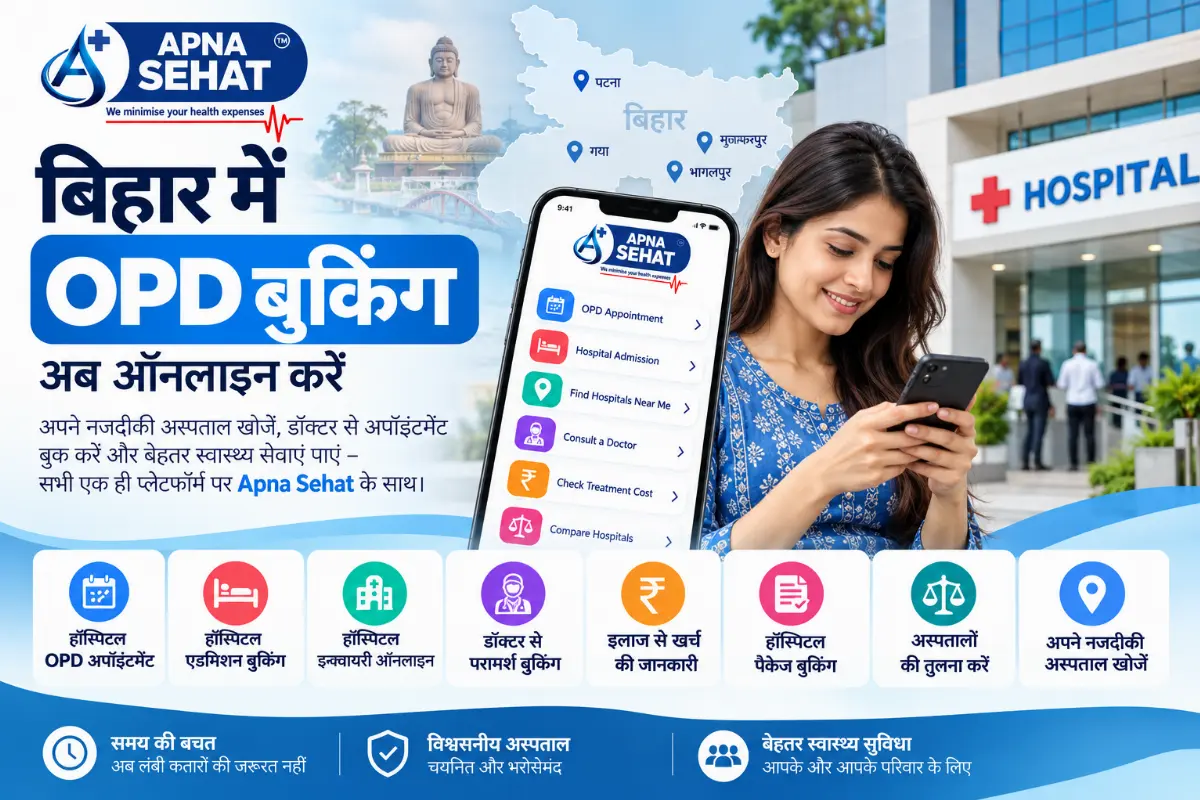
Technology has made healthcare more accessible than ever before. Patients can now book doctor appointments, access digital prescriptions, order medicines, and monitor their health through healthcare platforms and mobile applications. These services improve convenience while encouraging timely medical consultation and better medication management.
In conclusion, medicines are essential tools for maintaining and improving health when used correctly. Responsible medication practices, including following prescriptions, understanding possible side effects, storing medicines properly, and consulting healthcare professionals when needed, contribute to safer and more effective treatment. Always avoid self-medication for serious illnesses and seek professional medical advice before starting or changing any medication. By using medicines wisely, individuals can protect their health and achieve better long-term well-being.