Heart Attack Warning Signs: Know the Symptoms Before It's Too Late
A heart attack does not always begin with dramatic chest pain or sudden collapse. Sometimes the first signs can be mild, unusual or easy to mistake for acidity, tiredness or stress.
That is exactly why knowing the warning signs of a heart attack matters.
A heart attack happens when blood flow to part of the heart muscle becomes blocked or severely reduced. Without enough oxygen, the heart muscle can become damaged. Getting medical attention quickly can make a major difference.
The important thing is simple: don't ignore symptoms that feel unusual, especially when several symptoms occur together.
What Are the Most Common Warning Signs of a Heart Attack?
Heart attack symptoms can be different from person to person. Some people experience severe symptoms, while others initially notice only mild discomfort.
Here are some of the most important warning signs to know.
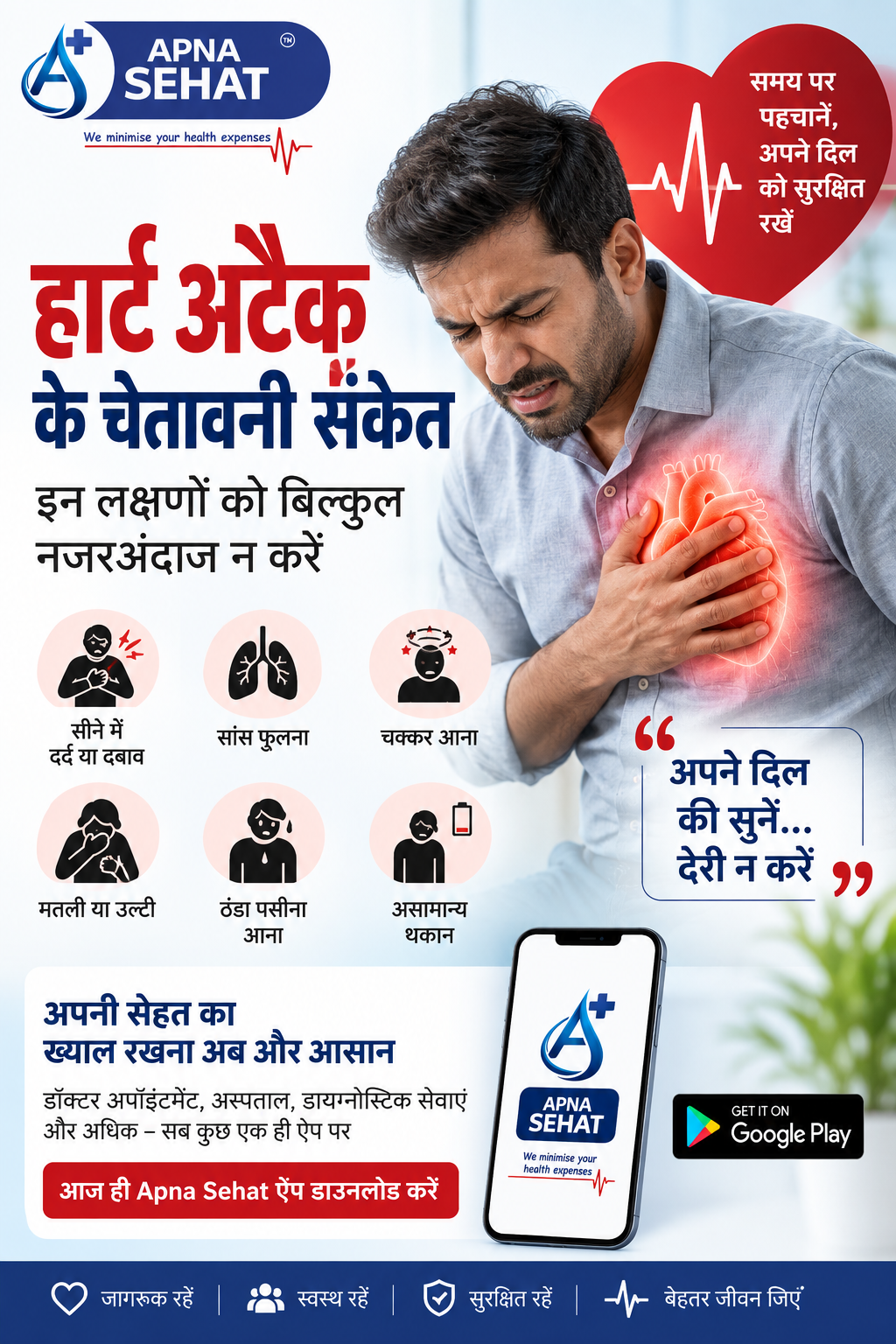
1. Pressure, Pain or Discomfort in the Chest
Chest discomfort is one of the most commonly recognized symptoms of a heart attack.
It may feel like:
- Pressure or heaviness in the chest
- Tightness or squeezing
- Burning or aching
- Fullness or uncomfortable pressure
- Pain that lasts for several minutes
- Discomfort that disappears and then returns
It doesn't necessarily feel like a sharp pain. Some people describe it as something heavy sitting on their chest.
Never assume chest discomfort is simply gas or acidity without getting appropriate medical advice.
2. Pain That Spreads to the Arm, Back, Neck or Jaw
Heart attack pain isn't always limited to the chest.
Discomfort can spread to:
- One or both arms
- Shoulders
- Back
- Neck
- Jaw
- Upper stomach
This type of pain can be particularly easy to overlook because the person may not realize it is related to the heart.
3. Shortness of Breath
Feeling unusually short of breath can be another warning sign.
It may happen with chest discomfort or without it. If someone suddenly finds it difficult to breathe, particularly along with chest pressure, sweating, nausea or weakness, they should seek emergency medical help.
4. Sudden Cold Sweating
Breaking into a cold sweat without an obvious reason can sometimes accompany a heart attack.
If unexplained sweating occurs together with chest discomfort, breathlessness, nausea or dizziness, don't simply wait for it to pass.
5. Nausea or Vomiting
Nausea, vomiting or an upset stomach can occur during a heart attack.
This symptom can be particularly confusing because people may assume they have indigestion or a stomach problem. However, when nausea occurs alongside other warning signs, it should not be dismissed.
6. Dizziness or Feeling Faint
Feeling suddenly light-headed, weak or close to fainting can be another warning sign.
This becomes more concerning when it appears with chest discomfort, sweating, breathing difficulty or unusual weakness.
7. Unusual or Extreme Tiredness
Sometimes the body gives less obvious signals.
A person may feel unusually tired or weak without understanding why. This can be particularly important in women, who may experience symptoms that are less traditionally associated with heart attacks.
8. Rapid or Irregular Heartbeat
Some people may notice their heart beating unusually fast, forcefully or irregularly.
A racing or irregular heartbeat by itself does not necessarily mean a heart attack, but when it appears alongside chest discomfort, breathlessness, dizziness or other symptoms, urgent medical assessment is important.
9. Symptoms Can Be Different in Women
Heart attack symptoms in women can sometimes be less obvious.
Chest pain or discomfort remains an important symptom, but women may also experience:
- Shortness of breath
- Nausea or vomiting
- Unusual tiredness
- Weakness
- Back or shoulder discomfort
- Jaw discomfort
- Anxiety or an unsettled feeling
Because these symptoms can resemble everyday problems, they may be ignored. That delay can be dangerous.
10. Symptoms May Come and Go
One of the biggest mistakes people make is thinking:
“The pain has gone, so everything must be fine.”
Heart attack symptoms can sometimes start gradually or disappear and return. A temporary improvement doesn't automatically mean the underlying problem has gone away.
If symptoms suggest a heart attack, don't wait for them to become severe before seeking emergency care.
What Should You Do If You Suspect a Heart Attack?
A suspected heart attack should be treated as a medical emergency.
If you or someone nearby develops symptoms that could indicate a heart attack:
- Seek emergency medical help immediately.
- Stop physical activity and sit or rest while waiting for help.
- Do not try to diagnose the problem yourself.
- Don't wait to see whether the symptoms disappear.
- Follow instructions from emergency medical professionals.
Emergency medical teams can begin assessment and treatment while transporting a patient, which is one reason professional emergency transport is preferable to simply driving yourself when a serious cardiac emergency is suspected.
If someone becomes unresponsive and is not breathing normally, this is an immediate emergency requiring emergency services and resuscitation measures.
Who Is at Higher Risk of a Heart Attack?
Some risk factors can be changed, while others cannot.
Important risk factors include:
- High blood pressure
- High cholesterol
- Diabetes
- Smoking or tobacco use
- Physical inactivity
- Being overweight or obese
- Family history of heart disease
- Increasing age
- Certain chronic health conditions
Managing blood pressure, blood sugar and cholesterol, avoiding tobacco, staying physically active and maintaining a healthy diet can help reduce cardiovascular risk.
Can a Heart Attack Be Prevented?
No prevention strategy can guarantee that a person will never have a heart attack. However, taking care of cardiovascular health can reduce risk.
Some practical habits include:
Eat for your heart
Include more fruits, vegetables and other nutritious foods in your regular diet, while being mindful of excess salt and unhealthy dietary patterns.
Stay physically active
Regular physical activity is an important part of cardiovascular health.
Avoid tobacco
Stopping tobacco use is one of the important steps toward lowering cardiovascular risk.
Keep health conditions under control
If you have high blood pressure, diabetes or high cholesterol, regular medical follow-up and appropriate treatment matter.
Don't ignore recurring symptoms
Repeated chest discomfort, unusual breathlessness or unexplained symptoms deserve medical attention rather than self-diagnosis.
The World Health Organization also recommends measures such as stopping tobacco use, reducing salt intake, eating more fruits and vegetables and maintaining regular physical activity to reduce cardiovascular disease risk.
Heart Attack vs. Cardiac Arrest: Are They the Same?
No.
A heart attack occurs when blood flow to part of the heart muscle becomes blocked.
Sudden cardiac arrest occurs when the heart's electrical system malfunctions and the heart stops pumping blood effectively.
They are different medical emergencies, although a heart attack can sometimes lead to cardiac arrest.
Understanding this difference is useful because the immediate response to an unconscious person who is not breathing normally is different from simply recognizing heart attack symptoms.
Don't Ignore Your Heart Health
A heart attack doesn't always announce itself with unbearable pain.
Sometimes it starts with pressure in the chest. Sometimes there is breathlessness, nausea, sweating or unusual weakness. Sometimes symptoms are mild enough that a person decides to wait.
That waiting can be a serious mistake.
Knowing the warning signs gives you the chance to act sooner.
If you have symptoms that could indicate a heart attack, don't rely on an online article, app or search result to determine what is happening. Seek emergency medical care immediately.
Get Easier Access to Healthcare With Apna Sehat
Finding the right healthcare provider can be stressful, especially when you're already worried about your health.
Apna Sehat is designed to make healthcare access simpler by helping users connect with hospitals, doctors, diagnostic centres and other healthcare services through one platform. The app supports services such as OPD appointment booking, hospital coordination, diagnostic services, health checkups and ambulance-service access.
You can download Apna Sehat from Google Play:
Download Apna Sehat on Google Play
Remember: Apna Sehat is a healthcare navigation platform, not a replacement for emergency medical treatment. If you think you or someone else is having a heart attack, seek emergency medical assistance immediately.
Frequently Asked Questions
What is the first warning sign of a heart attack?
Chest pressure, pain or discomfort is one of the most common warning signs. However, heart attacks can also cause breathlessness, nausea, sweating, dizziness or pain in the arm, back, neck or jaw.
Can a heart attack happen without chest pain?
Yes. Some people may experience symptoms such as shortness of breath, nausea, unusual tiredness, dizziness or discomfort in other parts of the upper body without obvious chest pain.
Do heart attack symptoms differ in women?
They can. Women may experience chest discomfort, but symptoms such as unusual tiredness, shortness of breath, nausea, vomiting or back and jaw discomfort can also occur.
Should I wait for heart attack symptoms to become severe?
No. If symptoms suggest a heart attack, don't wait for them to become severe or disappear. Seek emergency medical help immediately.
Can lifestyle changes reduce heart attack risk?
Healthy lifestyle choices such as avoiding tobacco, regular physical activity, eating a balanced diet and managing conditions such as high blood pressure, diabetes and high cholesterol can help reduce cardiovascular risk.
हार्ट अटैक के चेतावनी संकेत जानना क्यों जरूरी है?
हार्ट अटैक हमेशा अचानक तेज सीने के दर्द के साथ ही शुरू हो, ऐसा जरूरी नहीं है। कई बार इसके लक्षण हल्के होते हैं और लोग उन्हें गैस, एसिडिटी, थकान या तनाव समझकर नजरअंदाज कर देते हैं।
हार्ट अटैक तब होता है जब हृदय की मांसपेशियों तक पहुंचने वाला रक्त प्रवाह रुक जाता है या काफी कम हो जाता है। ऑक्सीजन की कमी के कारण हृदय की मांसपेशियों को नुकसान पहुंच सकता है। ऐसे समय में जल्दी चिकित्सा सहायता मिलना बेहद महत्वपूर्ण होता है।
इसलिए अपने शरीर में होने वाले अचानक या असामान्य बदलावों को समझना जरूरी है।
हार्ट अटैक के 10 प्रमुख चेतावनी संकेत
हर व्यक्ति में हार्ट अटैक के लक्षण एक जैसे नहीं होते। किसी को तेज दर्द हो सकता है, जबकि किसी व्यक्ति में केवल कमजोरी, सांस फूलना या बेचैनी जैसे संकेत दिखाई दे सकते हैं।
1. सीने में दर्द या दबाव
सीने में असहजता हार्ट अटैक का सबसे पहचाना जाने वाला लक्षण है।
यह महसूस हो सकता है:
- सीने पर भारीपन या दबाव
- जकड़न या खिंचाव
- जलन या दर्द
- सीने में कुछ दबा हुआ महसूस होना
- कुछ मिनट तक रहने वाली असहजता
- दर्द का कुछ समय बाद कम होकर फिर वापस आना
हर बार दर्द बहुत तेज हो, यह जरूरी नहीं है। कई लोग इसे सीने पर भारी वजन जैसा महसूस करते हैं।
सीने में अचानक या असामान्य दर्द को केवल गैस या एसिडिटी मानकर नजरअंदाज न करें।
2. दर्द का हाथ, पीठ, गर्दन या जबड़े तक फैलना
हार्ट अटैक का दर्द केवल सीने तक सीमित नहीं रहता।
दर्द या असहजता इन हिस्सों में भी महसूस हो सकती है:
- एक या दोनों हाथ
- कंधे
- पीठ
- गर्दन
- जबड़ा
- पेट के ऊपरी हिस्से में
अगर सीने की परेशानी के साथ शरीर के इन हिस्सों में भी दर्द या दबाव महसूस हो रहा है, तो इसे गंभीरता से लेना चाहिए।
3. अचानक सांस फूलना
बिना ज्यादा मेहनत किए अचानक सांस फूलना भी हार्ट अटैक का संकेत हो सकता है।
कभी-कभी सांस लेने में परेशानी सीने में दर्द के साथ होती है, लेकिन यह अकेले भी दिखाई दे सकती है।
अगर अचानक सांस फूलने के साथ सीने में दबाव, पसीना, चक्कर, कमजोरी या मतली हो रही है, तो तुरंत चिकित्सा सहायता लें।
4. अचानक ठंडा पसीना आना
बिना गर्मी या मेहनत के अचानक ठंडा पसीना आना भी एक चेतावनी संकेत हो सकता है।
अगर असामान्य पसीने के साथ सीने में दर्द, सांस लेने में परेशानी, मतली या कमजोरी महसूस हो रही है, तो इसे सामान्य मानकर इंतजार न करें।
5. मतली या उल्टी
हार्ट अटैक के दौरान कुछ लोगों को मतली या उल्टी हो सकती है।
यह लक्षण अक्सर पेट की समस्या या गैस जैसा लग सकता है। इसी वजह से कई लोग इसे दिल से जुड़ी समस्या नहीं समझ पाते।
अगर मतली या उल्टी के साथ सीने में परेशानी, सांस फूलना, पसीना या चक्कर भी हो रहे हैं, तो तुरंत चिकित्सा सहायता लेना जरूरी है।
6. चक्कर आना या बेहोशी जैसा महसूस होना
अचानक चक्कर आना, कमजोरी महसूस होना या ऐसा लगना कि आप बेहोश हो सकते हैं, गंभीर संकेत हो सकता है।
खासकर अगर इसके साथ सीने में दर्द, सांस फूलना या ठंडा पसीना भी आ रहा हो, तो इसे नजरअंदाज नहीं करना चाहिए।
7. अचानक बहुत ज्यादा थकान या कमजोरी
कभी-कभी शरीर हार्ट अटैक से पहले बहुत स्पष्ट संकेत नहीं देता।
कुछ लोगों को अचानक असामान्य थकान या कमजोरी महसूस हो सकती है, जबकि उन्होंने कोई भारी काम भी नहीं किया हो।
महिलाओं में हार्ट अटैक के दौरान ऐसे कम पारंपरिक लक्षण देखने को मिल सकते हैं, इसलिए अचानक और असामान्य थकान को नजरअंदाज करना सही नहीं है।
8. दिल की धड़कन तेज या अनियमित महसूस होना
कुछ लोगों को अचानक दिल की धड़कन बहुत तेज, जोर से या अनियमित महसूस हो सकती है।
सिर्फ तेज धड़कन का मतलब हमेशा हार्ट अटैक नहीं होता। लेकिन अगर इसके साथ सीने में परेशानी, सांस फूलना, चक्कर या कमजोरी जैसे लक्षण हैं, तो तुरंत डॉक्टर से चिकित्सा सहायता लेना जरूरी है।
9. महिलाओं में लक्षण अलग तरीके से दिखाई दे सकते हैं
महिलाओं में भी सीने में दर्द या दबाव हार्ट अटैक का महत्वपूर्ण लक्षण हो सकता है। लेकिन कुछ महिलाओं में अन्य लक्षण अधिक प्रमुख हो सकते हैं।
इनमें शामिल हैं:
- असामान्य थकान
- सांस लेने में परेशानी
- मतली या उल्टी
- पीठ या कंधे में दर्द
- जबड़े में परेशानी
- कमजोरी
- बेचैनी
इनमें से कुछ लक्षण सामान्य समस्याओं जैसे गैस, थकान या तनाव से मिलते-जुलते हो सकते हैं। इसलिए अचानक और असामान्य लक्षणों को हल्के में नहीं लेना चाहिए।
10. लक्षण कुछ समय बाद कम होकर फिर वापस आ सकते हैं
एक आम गलती यह है कि लोग दर्द कम होने के बाद सोचते हैं कि समस्या खत्म हो गई।
लेकिन हार्ट अटैक के लक्षण कुछ समय के लिए कम होकर दोबारा भी दिखाई दे सकते हैं।
इसलिए अगर सीने में दर्द या अन्य संदिग्ध लक्षण थोड़ी देर बाद ठीक हो जाएं, तब भी उन्हें नजरअंदाज करना उचित नहीं है।
हार्ट अटैक का संदेह हो तो क्या करें?
हार्ट अटैक एक मेडिकल इमरजेंसी है।
अगर आपको या आपके आसपास किसी व्यक्ति को हार्ट अटैक के संभावित लक्षण दिखाई दें:
- तुरंत इमरजेंसी मेडिकल सहायता लें।
- व्यक्ति को शारीरिक मेहनत करने से रोकें और आराम करने दें।
- लक्षणों को खुद से पहचानकर इलाज करने की कोशिश न करें।
- यह सोचकर इंतजार न करें कि दर्द अपने आप ठीक हो जाएगा।
- इमरजेंसी मेडिकल टीम द्वारा दिए गए निर्देशों का पालन करें।
अगर व्यक्ति बेहोश हो जाता है और सामान्य रूप से सांस नहीं ले रहा है, तो यह तत्काल आपातकालीन स्थिति है और तुरंत आपातकालीन सहायता तथा आवश्यक पुनर्जीवन प्रक्रिया की जरूरत होती है।
किन लोगों में हार्ट अटैक का खतरा ज्यादा हो सकता है?
कुछ ऐसी स्थितियां और आदतें हैं जो हृदय रोग के जोखिम को बढ़ा सकती हैं।
इनमें शामिल हैं:
- हाई ब्लड प्रेशर
- हाई कोलेस्ट्रॉल
- डायबिटीज
- धूम्रपान या तंबाकू का सेवन
- शारीरिक गतिविधि की कमी
- अधिक वजन या मोटापा
- परिवार में हृदय रोग का इतिहास
- बढ़ती उम्र
- कुछ अन्य लंबे समय से चल रही स्वास्थ्य समस्याएं
अपने ब्लड प्रेशर, ब्लड शुगर और कोलेस्ट्रॉल की नियमित जांच कराना और डॉक्टर की सलाह के अनुसार उन्हें नियंत्रित रखना हृदय स्वास्थ्य के लिए महत्वपूर्ण है।
हार्ट अटैक के खतरे को कैसे कम करें?
हार्ट अटैक को पूरी तरह रोकने की गारंटी कोई तरीका नहीं देता। लेकिन स्वस्थ जीवनशैली अपनाकर हृदय रोग के जोखिम को कम किया जा सकता है।
संतुलित आहार लें
अपने भोजन में फल, सब्जियां और पौष्टिक खाद्य पदार्थ शामिल करें। अधिक नमक और अस्वास्थ्यकर भोजन का सेवन कम करना भी फायदेमंद हो सकता है।
नियमित शारीरिक गतिविधि करें
नियमित व्यायाम और शारीरिक गतिविधि हृदय स्वास्थ्य को बेहतर बनाए रखने में मदद करती है।
तंबाकू से बचें
धूम्रपान और तंबाकू का सेवन हृदय स्वास्थ्य के लिए नुकसानदायक हो सकता है। इसे छोड़ना हृदय संबंधी जोखिम कम करने की दिशा में महत्वपूर्ण कदम है।
ब्लड प्रेशर और डायबिटीज को नियंत्रित रखें
अगर आपको हाई ब्लड प्रेशर, डायबिटीज या हाई कोलेस्ट्रॉल है, तो नियमित डॉक्टर की सलाह और जांच को नजरअंदाज न करें।
शरीर के संकेतों को नजरअंदाज न करें
बार-बार सीने में दर्द, सांस फूलना या बिना कारण असामान्य कमजोरी महसूस होने पर खुद से इलाज करने के बजाय डॉक्टर से सलाह लें।
हार्ट अटैक और कार्डियक अरेस्ट में क्या अंतर है?
हार्ट अटैक और कार्डियक अरेस्ट एक ही स्थिति नहीं हैं।
हार्ट अटैक में हृदय के किसी हिस्से तक रक्त का प्रवाह रुक जाता है।
कार्डियक अरेस्ट में हृदय की विद्युत प्रणाली में गंभीर समस्या के कारण हृदय प्रभावी रूप से रक्त पंप करना बंद कर देता है।
दोनों गंभीर आपातकालीन स्थितियां हैं। कुछ मामलों में हार्ट अटैक कार्डियक अरेस्ट का कारण भी बन सकता है।
अपने दिल की सेहत को नजरअंदाज न करें
हार्ट अटैक हमेशा तेज और स्पष्ट दर्द के साथ शुरू नहीं होता।
कभी यह सीने में दबाव के रूप में महसूस हो सकता है, कभी सांस फूलने, मतली, पसीना या अचानक कमजोरी के रूप में।
सबसे जरूरी बात है कि असामान्य लक्षणों को नजरअंदाज न करें और जरूरत पड़ने पर समय पर चिकित्सा सहायता लें।
अगर आपको हार्ट अटैक का संदेह है, तो किसी ब्लॉग, ऐप या ऑनलाइन जानकारी के आधार पर खुद बीमारी का पता लगाने की कोशिश न करें। तुरंत इमरजेंसी मेडिकल सहायता लें।
Apna Sehat के साथ स्वास्थ्य सेवाओं तक आसान पहुंच
स्वास्थ्य संबंधी परेशानी के समय सही डॉक्टर या अस्पताल ढूंढना कई बार मुश्किल हो सकता है।
Apna Sehat एक हेल्थकेयर प्लेटफॉर्म है, जिसका उद्देश्य लोगों को स्वास्थ्य सेवाओं तक आसानी से पहुंचने में मदद करना है। इसके माध्यम से डॉक्टर की अपॉइंटमेंट बुक करने, अस्पताल और अन्य स्वास्थ्य सेवाओं की जानकारी प्राप्त करने जैसी सुविधाओं का उपयोग किया जा सकता है।
Apna Sehat ऐप डाउनलोड करें
अपने मोबाइल में Apna Sehat ऐप डाउनलोड करने के लिए:
Google Play Store:
https://play.google.com/store/apps/details?id=com.medical.apnasehat&hl=hi
अपने स्वास्थ्य से जुड़ी सही जानकारी और सुविधाओं के लिए Apna Sehat से जुड़े रहें।
ध्यान दें: Apna Sehat किसी आपातकालीन चिकित्सा उपचार का विकल्प नहीं है। यदि आपको हार्ट अटैक का संदेह है, तो तुरंत नजदीकी इमरजेंसी सेवा या योग्य चिकित्सा पेशेवर से सहायता लें।
अक्सर पूछे जाने वाले सवाल
हार्ट अटैक का सबसे पहला संकेत क्या हो सकता है?
सीने में दबाव, दर्द या असहजता हार्ट अटैक के सामान्य संकेतों में से एक है। इसके अलावा सांस फूलना, पसीना, मतली, चक्कर या हाथ, पीठ, गर्दन और जबड़े में दर्द भी हो सकता है।
क्या बिना सीने में दर्द के भी हार्ट अटैक हो सकता है?
हां। कुछ लोगों में सांस फूलना, मतली, असामान्य थकान, चक्कर या शरीर के दूसरे हिस्सों में दर्द जैसे लक्षण दिखाई दे सकते हैं और सीने में स्पष्ट दर्द नहीं भी हो सकता।
क्या महिलाओं में हार्ट अटैक के लक्षण अलग हो सकते हैं?
हां। महिलाओं में सीने में असहजता के अलावा सांस फूलना, असामान्य थकान, मतली, उल्टी, पीठ या जबड़े में दर्द जैसे लक्षण भी हो सकते हैं।
क्या हार्ट अटैक का दर्द अपने आप ठीक हो जाए तो चिंता नहीं करनी चाहिए?
नहीं। अगर हार्ट अटैक जैसे लक्षण आए हैं, तो केवल उनके कम हो जाने के कारण उन्हें नजरअंदाज नहीं करना चाहिए। तुरंत चिकित्सा सलाह लेना जरूरी है।
क्या जीवनशैली बदलने से हार्ट अटैक का खतरा कम किया जा सकता है?
स्वस्थ भोजन, नियमित शारीरिक गतिविधि, तंबाकू से दूरी और ब्लड प्रेशर, डायबिटीज तथा कोलेस्ट्रॉल को नियंत्रित रखना हृदय संबंधी जोखिम को कम करने में मदद कर सकता है।