Kidney stones are a common urinary health problem that can affect people of different age groups. Some people may have small stones without noticing any symptoms, while others experience severe pain in the back, abdomen or lower stomach. In certain cases, kidney stones can also cause difficulty while passing urine and require medical attention.
Many people ignore the early signs of kidney stones, assuming that the pain is caused by dehydration, gas or a minor stomach problem. However, recognising the symptoms early and consulting a qualified doctor can help prevent complications.
If you are experiencing symptoms such as severe back pain, blood in your urine or painful urination, it is important to seek medical advice.
In this article, we will explain the common kidney stone symptoms and treatment options, their causes, diagnosis, prevention methods and how to find suitable hospital consultation services through Apna Sehat.
What Are Kidney Stones?
Kidney stones are hard deposits made from minerals and salts that develop inside one or both kidneys. They form when certain substances in urine, such as calcium, oxalate and uric acid, become concentrated and form crystals.
These crystals may gradually combine to form stones of different sizes.
Small kidney stones may pass naturally through urine without causing noticeable problems. However, larger stones can become stuck in the urinary tract, block the flow of urine and cause significant pain.
Kidney stones should not be ignored, especially when they cause severe pain, fever or difficulty passing urine.
Common Kidney Stone Symptoms You Should Never Ignore
The symptoms of kidney stones depend on their size, location and whether they are blocking the urinary tract.
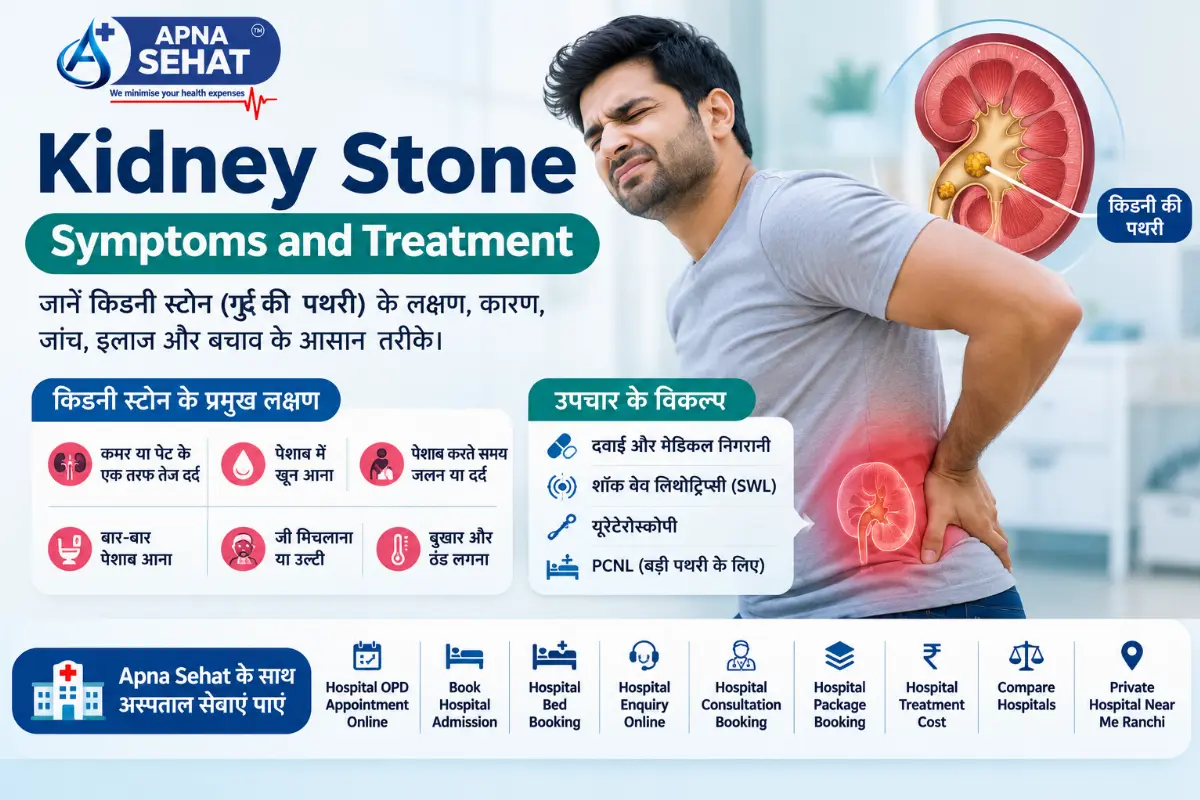
Some of the most common warning signs include:
1. Severe Pain in the Back or Side
One of the most recognised kidney stone symptoms is sudden, sharp pain in the back or side of the abdomen.
The pain may:
-
Start near the lower back.
-
Spread towards the lower abdomen.
-
Move towards the groin area.
-
Come and go in waves.
-
Become severe enough to affect daily activities.
This type of pain can occur when a stone moves through the urinary tract.
2. Blood in Urine
Blood in the urine is another possible sign of kidney stones.
Urine may appear:
-
Pink
-
Red
-
Brown
Sometimes, blood may only be detected through a urine test. Blood in urine can also have other causes, so it should always be evaluated by a healthcare professional.
3. Pain or Burning Sensation While Urinating
Some patients experience discomfort or a burning sensation while passing urine.
This can happen when a kidney stone moves towards the bladder or urinary passage. A urinary tract infection can cause similar symptoms, so proper diagnosis is important.
4. Frequent Urination
If you suddenly feel the need to urinate frequently, particularly in small amounts, it could be associated with a stone near the lower urinary tract.
However, frequent urination can also occur due to other medical conditions.
5. Nausea and Vomiting
Kidney stone pain may sometimes be accompanied by nausea and vomiting.
Severe pain can trigger these symptoms, and repeated vomiting can lead to dehydration. Medical assessment is important if you cannot keep fluids down.
6. Cloudy or Bad-Smelling Urine
Cloudy urine or urine with an unusual smell may occur alongside kidney stones, particularly when an infection is also present.
7. Fever and Chills
Fever and chills can indicate an infection associated with a kidney stone.
Important: Fever or chills with suspected kidney stones, especially with severe pain or difficulty passing urine, require urgent medical attention. Do not delay hospital evaluation.
What Causes Kidney Stones?
Kidney stones can develop due to several lifestyle, dietary and medical factors.
Some common contributing factors include:
1. Not Drinking Enough Water
When the body does not receive sufficient fluids, urine becomes more concentrated. This can increase the chances of minerals forming crystals.
2. High Salt Consumption
Consuming too much salt can increase calcium levels in urine, which may contribute to the formation of certain kidney stones.
3. Dietary Habits
Some foods contain substances such as oxalate. Depending on the type of stone and individual risk factors, dietary habits may influence stone formation.
4. Family History
People with a family history of kidney stones may have a higher risk of developing them.
5. Certain Medical Conditions
Some digestive conditions, urinary infections and metabolic disorders can increase the risk of kidney stones.
6. Previous Kidney Stones
People who have experienced kidney stones before may develop them again, particularly if the underlying causes are not addressed.
How Are Kidney Stones Diagnosed?
If you experience symptoms associated with kidney stones, a doctor may recommend medical examinations and diagnostic tests.
Common diagnostic methods include:
|
Diagnostic Test |
Purpose |
|---|---|
|
Urine Test |
Checks for blood, infection and substances that may contribute to stone formation |
|
Blood Test |
Helps evaluate kidney function and mineral levels |
|
Ultrasound |
Helps identify stones and possible urinary blockage |
|
CT Scan |
Helps determine the size and location of stones |
|
X-ray |
Can identify certain types of kidney stones |
The doctor selects the appropriate tests according to the patient's symptoms, medical history and clinical condition.
Kidney Stone Treatment: What Are the Available Options?
The treatment of kidney stones depends on several factors, including the size, location and type of stone, symptoms and the patient's overall health.
There is no single treatment suitable for every patient.
1. Medication and Medical Monitoring
Small kidney stones may pass naturally through urine.
A doctor may recommend:
-
Suitable pain-relief medication.
-
Medicines that help certain stones pass.
-
Adequate fluid intake, if medically appropriate.
-
Follow-up examinations to monitor the stone.
Patients should not take kidney stone medicines without medical advice.
2. Shock Wave Lithotripsy (SWL)
Shock Wave Lithotripsy is a treatment that uses focused sound waves to break kidney stones into smaller fragments.
These fragments can then pass through urine.
The suitability of this treatment depends on the stone's size, location and other medical factors.
3. Ureteroscopy
Ureteroscopy is a procedure in which a thin instrument is passed through the urinary passage to locate and treat a stone.
The doctor may remove the stone directly or break it into smaller pieces using a laser.
4. Percutaneous Nephrolithotomy (PCNL)
PCNL is a surgical procedure generally considered for larger or complex kidney stones.
A small opening is made in the patient's back to access the kidney and remove the stone.
A urologist determines the most suitable treatment after examining the patient.
How to Prevent Kidney Stones?
Making appropriate lifestyle changes can help reduce the risk of developing kidney stones again.
Here are some useful preventive measures:
-
Drink enough water: Maintain adequate hydration throughout the day, unless your doctor has advised fluid restriction.
-
Reduce excess salt: Avoid consuming too much salt in everyday meals.
-
Maintain a balanced diet: Eat a variety of fruits, vegetables and other nutritious foods.
-
Avoid unnecessary supplements: Take calcium or vitamin supplements only when medically appropriate.
-
Maintain a healthy weight: Follow a balanced diet and regular physical activity.
-
Follow medical advice: If you have previously experienced kidney stones, ask your doctor about the type of stone and specific prevention measures.
Remember that prevention depends partly on the type of kidney stone. Your doctor may recommend dietary changes or medication based on laboratory results.
When Should You Visit a Hospital for Kidney Stone Treatment?
Do not ignore kidney stone symptoms if they become severe or persistent.
You should seek medical attention if you experience:
-
Severe pain in the lower back or abdomen.
-
Blood in your urine.
-
Painful urination.
-
Repeated vomiting.
-
Fever or chills.
-
Difficulty passing urine.
-
Very little or no urine.
Fever with suspected urinary obstruction can be particularly dangerous and requires urgent hospital assessment.
For non-emergency symptoms, you can arrange an OPD consultation with a urologist or an appropriate doctor.
How to Find the Right Hospital for Kidney Stone Treatment in Ranchi?
Finding a suitable hospital is an important step when you need kidney stone diagnosis or treatment.
If you are searching online for a Private Hospital Near Me Ranchi, consider the following factors before making a decision:
-
Availability of a urologist.
-
Diagnostic facilities such as ultrasound and CT scans.
-
Availability of appropriate kidney stone treatment procedures.
-
Emergency and inpatient facilities.
-
Hospital location and accessibility.
-
Estimated consultation and treatment costs.
-
Doctor qualifications and hospital facilities.
You can also search for a Multi-speciality Hospital Near Me if you need access to different medical departments.
Do not select a hospital based on price alone. Consider the doctor's recommendation, available facilities and your medical requirements.
How Apna Sehat Helps You Access Hospital Services
When you need medical consultation or hospital admission, finding the right healthcare facility and coordinating an appointment can take time.
Apna Sehat is a digital healthcare platform that connects patients with partner hospitals, clinics and diagnostic centres.
Through its website and mobile application, patients can explore healthcare services and get assistance with:
1. Hospital OPD Appointment Online
Patients can use Apna Sehat to coordinate an OPD appointment with available doctors and healthcare facilities.
If you are experiencing possible kidney stone symptoms, you can explore consultation options and seek medical advice.
2. Hospital Enquiry Online
Get assistance with hospital-related enquiries, including information about available medical departments and services.
3. Book Hospital Admission
For patients advised to undergo kidney stone treatment or surgery, Apna Sehat supports IPD admission coordination through its partner hospitals.
4. Hospital Bed Booking
Patients and family members can enquire about hospital admission and bed availability through the hospital coordination process. Final availability must be confirmed by the hospital.
5. Hospital Consultation Booking
You can explore available consultation options and coordinate appointments according to your healthcare requirements.
6. Hospital Treatment Cost
Before planned treatment, patients can enquire about estimated expenses and available information from hospitals.
The final treatment cost depends on the procedure, stone size, medical condition, hospital and other services required.
7. Compare Hospitals
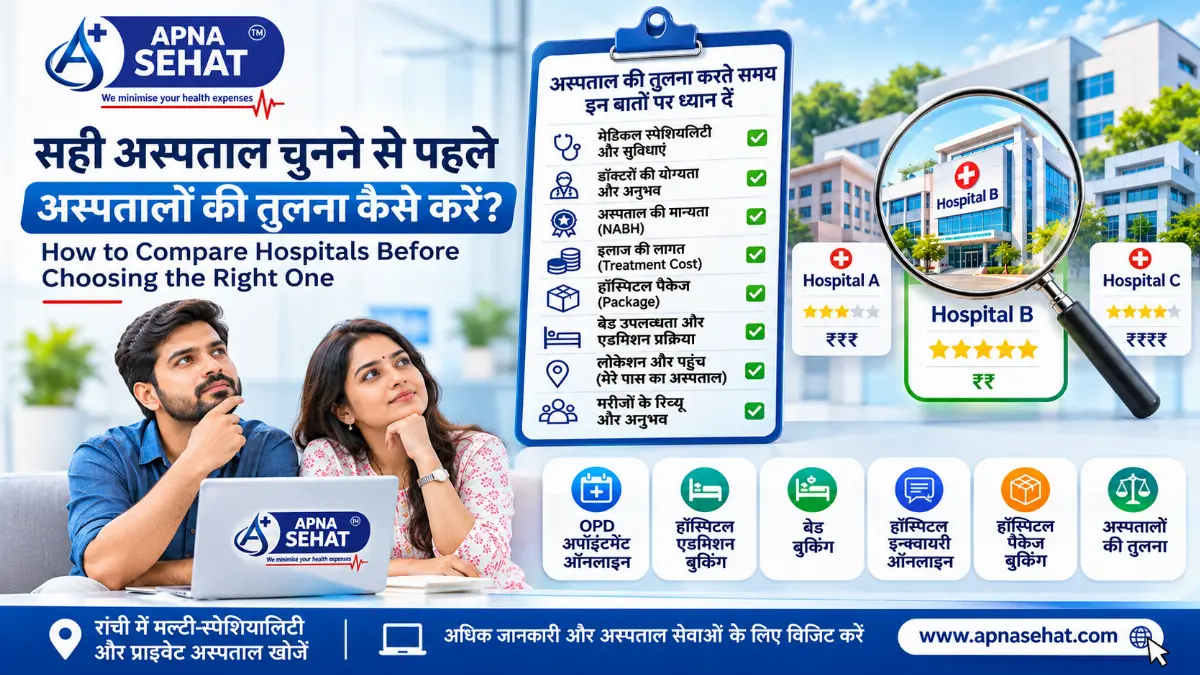
Patients can explore available hospital information and consider factors such as location, departments, facilities and treatment options before making a decision.
Visit the official website: Apna Sehat – Online Healthcare Services.
Frequently Asked Questions About Kidney Stones
1. What are the first symptoms of kidney stones?
The first symptoms may include pain in the back or side, discomfort while urinating, frequent urination and blood in the urine. Some small kidney stones may not cause any symptoms.
2. Can kidney stones go away without surgery?
Yes. Some small kidney stones can pass naturally through urine without surgery. However, larger stones or stones causing blockage may require medical treatment.
3. How much time does it take to pass a kidney stone?
The time depends on the stone's size and location. Some stones may pass within days, while others may take several weeks. A doctor should monitor stones that cause symptoms.
4. Which doctor should I consult for kidney stones?
A urologist is a specialist who diagnoses and treats conditions affecting the kidneys, urinary tract and related organs. You may initially consult a general physician who can guide you to the appropriate specialist.
5. Can drinking water prevent kidney stones?
Drinking sufficient water can help dilute urine and reduce the risk of many types of kidney stones. However, the required fluid intake depends on your health and medical condition.
6. Can kidney stones cause blood in urine?
Yes. Kidney stones can irritate the urinary tract and cause blood in urine. However, blood in urine can have other causes and should be medically evaluated.
7. Can I book a hospital OPD appointment online in Ranchi?
Yes. You can explore hospital consultation services through Apna Sehat and coordinate an OPD appointment with available partner hospitals and doctors.
8. How can I find a private hospital near me in Ranchi for kidney stone treatment?
Search for hospitals offering urology services, diagnostic facilities and kidney stone treatment. You can also explore hospital options through Apna Sehat at https://apnasehat.com/.
Conclusion: Recognise Kidney Stone Symptoms and Get Timely Medical Care
Kidney stones can cause anything from mild discomfort to severe pain and urinary complications. Recognising early symptoms, getting the correct diagnosis and following appropriate treatment can help manage the condition.
Do not ignore symptoms such as severe back pain, blood in urine, fever or difficulty passing urine. Consult a qualified healthcare professional to understand the appropriate treatment.
If you need help finding a hospital, arranging an OPD consultation or coordinating hospital admission, Apna Sehat can help connect you with its healthcare partners.
Take the right step towards better healthcare. Find hospitals, explore consultation options and access healthcare services with Apna Sehat.
किडनी स्टोन के लक्षण और इलाज: कारण, शुरुआती संकेत और अस्पताल जाने का सही समय
Focus Keyphrase: Kidney Stone Symptoms and Treatment
Hindi Focus Keyphrase: किडनी स्टोन के लक्षण और इलाज
Meta Title: Kidney Stone Symptoms and Treatment | किडनी स्टोन के लक्षण
Meta Description: किडनी स्टोन के लक्षण, कारण, जांच और इलाज के बारे में जानें। Apna Sehat से हॉस्पिटल OPD अपॉइंटमेंट बुक करें और इलाज की जानकारी पाएं।
Slug: kidney-stone-symptoms-and-treatment
Suggested URL:
https://apnasehat.com/kidney-stone-symptoms-and-treatment/
Featured Image ALT Text: Kidney Stone Symptoms and Treatment – किडनी स्टोन के लक्षण और इलाज की जानकारी
किडनी स्टोन के लक्षण और इलाज: कारण, शुरुआती संकेत और अस्पताल जाने का सही समय
किडनी स्टोन यानी गुर्दे की पथरी आजकल एक आम स्वास्थ्य समस्या बनती जा रही है। यह समस्या अलग-अलग उम्र के लोगों को प्रभावित कर सकती है। कुछ लोगों को शुरुआत में पथरी के कोई स्पष्ट लक्षण दिखाई नहीं देते, जबकि कुछ मरीजों को कमर, पेट या पेट के निचले हिस्से में तेज दर्द का सामना करना पड़ता है।
कई बार लोग शुरुआती लक्षणों को गैस, पेट दर्द या सामान्य कमजोरी समझकर नजरअंदाज कर देते हैं। लेकिन समय पर लक्षणों को पहचानना और सही डॉक्टर से परामर्श लेना बहुत जरूरी है।
अगर आपको कमर में तेज दर्द, पेशाब में खून या पेशाब करते समय जलन जैसी समस्याएं हो रही हैं, तो डॉक्टर से सलाह जरूर लें।
इस ब्लॉग में हम Kidney Stone Symptoms and Treatment यानी किडनी स्टोन के लक्षण, कारण, जांच, इलाज और बचाव के तरीकों के बारे में विस्तार से जानेंगे। साथ ही यह भी समझेंगे कि Apna Sehat के माध्यम से हॉस्पिटल और मेडिकल कंसल्टेशन की जानकारी कैसे प्राप्त कर सकते हैं।
किडनी स्टोन क्या होता है?
किडनी स्टोन को हिंदी में गुर्दे की पथरी कहा जाता है। यह मिनरल्स और नमक से बने कठोर कण होते हैं, जो एक या दोनों किडनी में विकसित हो सकते हैं।
जब पेशाब में कैल्शियम, ऑक्सालेट और यूरिक एसिड जैसे पदार्थों की मात्रा अधिक हो जाती है, तो ये छोटे क्रिस्टल बना सकते हैं। समय के साथ ये क्रिस्टल आपस में मिलकर पथरी का रूप ले सकते हैं।
छोटी पथरी कभी-कभी बिना किसी विशेष समस्या के पेशाब के रास्ते शरीर से बाहर निकल सकती है। लेकिन बड़ी पथरी पेशाब की नली में फंस सकती है, जिससे पेशाब का प्रवाह रुक सकता है और तेज दर्द हो सकता है।
इसलिए किडनी स्टोन की समस्या को नजरअंदाज नहीं करना चाहिए।
किडनी स्टोन के 7 सामान्य लक्षण जिन्हें नजरअंदाज नहीं करना चाहिए
किडनी स्टोन के लक्षण पथरी के आकार, उसकी जगह और पेशाब की नली में रुकावट होने पर निर्भर करते हैं।
आइए जानते हैं इसके कुछ सामान्य लक्षण।
1. कमर या पीठ के एक तरफ तेज दर्द
किडनी स्टोन का सबसे सामान्य लक्षण कमर या पीठ के एक तरफ अचानक तेज दर्द होना है।
इस दर्द की कुछ विशेषताएं हो सकती हैं:
-
दर्द कमर के निचले हिस्से से शुरू हो सकता है।
-
पेट के निचले हिस्से तक फैल सकता है।
-
दर्द जांघ और कमर के जोड़ की तरफ जा सकता है।
-
दर्द कुछ समय के लिए कम होकर दोबारा बढ़ सकता है।
-
कभी-कभी दर्द इतना तेज होता है कि सामान्य काम करना मुश्किल हो जाता है।
ऐसा दर्द तब हो सकता है जब पथरी पेशाब की नली में आगे बढ़ती है।
2. पेशाब में खून आना
पेशाब में खून आना भी किडनी स्टोन का एक महत्वपूर्ण लक्षण हो सकता है।
ऐसी स्थिति में पेशाब का रंग बदल सकता है:
-
गुलाबी
-
लाल
-
भूरा
कभी-कभी पेशाब में खून सामान्य आंखों से दिखाई नहीं देता और केवल जांच के दौरान पता चलता है।
ध्यान रखें कि पेशाब में खून आने के अन्य कारण भी हो सकते हैं। इसलिए डॉक्टर से जांच कराना जरूरी है।
3. पेशाब करते समय जलन या दर्द
किडनी स्टोन के कारण कुछ मरीजों को पेशाब करते समय जलन या दर्द महसूस हो सकता है।
यह समस्या तब हो सकती है जब पथरी पेशाब की नली से गुजरते हुए मूत्राशय के पास पहुंचती है।
हालांकि, पेशाब में जलन यूरिन इन्फेक्शन के कारण भी हो सकती है। इसलिए सही कारण जानने के लिए मेडिकल जांच जरूरी है।
4. बार-बार पेशाब आना
अगर आपको सामान्य से ज्यादा बार पेशाब आ रहा है और हर बार पेशाब की मात्रा कम है, तो यह पेशाब की नली के निचले हिस्से में पथरी होने से जुड़ा हो सकता है।
लेकिन बार-बार पेशाब आने के अन्य कारण भी हो सकते हैं।
5. उल्टी और जी मिचलाना
किडनी स्टोन के कारण होने वाले तेज दर्द के साथ कुछ मरीजों को उल्टी या जी मिचलाने की समस्या भी हो सकती है।
बार-बार उल्टी होने से शरीर में पानी की कमी हो सकती है। ऐसी स्थिति में डॉक्टर से संपर्क करना जरूरी है।
6. पेशाब का रंग बदलना या बदबू आना
किडनी स्टोन के साथ कुछ मरीजों को पेशाब में धुंधलापन या असामान्य बदबू महसूस हो सकती है।
विशेष रूप से अगर पथरी के साथ यूरिन इन्फेक्शन भी मौजूद है, तो ऐसे लक्षण दिखाई दे सकते हैं।
7. बुखार और ठंड लगना
किडनी स्टोन के साथ बुखार और ठंड लगना संक्रमण का संकेत हो सकता है।
अगर आपको किडनी स्टोन के लक्षणों के साथ बुखार, ठंड या पेशाब करने में परेशानी हो रही है, तो तुरंत अस्पताल जाएं।
महत्वपूर्ण: किडनी स्टोन के साथ संक्रमण और पेशाब के रास्ते में रुकावट एक गंभीर मेडिकल इमरजेंसी हो सकती है। ऐसे मामलों में इलाज में देरी नहीं करनी चाहिए।
किडनी में पथरी होने के मुख्य कारण क्या हैं?
किडनी स्टोन होने के पीछे कई कारण हो सकते हैं। कुछ कारण हमारी जीवनशैली और खानपान से जुड़े होते हैं, जबकि कुछ मेडिकल समस्याओं के कारण भी पथरी बन सकती है।
1. कम पानी पीना
दिनभर पर्याप्त पानी नहीं पीने से पेशाब अधिक गाढ़ा हो सकता है। इससे पेशाब में मौजूद मिनरल्स और अन्य पदार्थ क्रिस्टल बनाने लग सकते हैं।
2. ज्यादा नमक खाना
खाने में जरूरत से ज्यादा नमक लेने से पेशाब में कैल्शियम की मात्रा बढ़ सकती है। इससे कुछ प्रकार की किडनी स्टोन बनने का खतरा बढ़ सकता है।
3. गलत खानपान
कुछ खाद्य पदार्थों में ऑक्सालेट की मात्रा अधिक होती है। व्यक्ति को किस तरह की पथरी होने का खतरा है, इसके अनुसार खानपान की आदतें पथरी बनने में भूमिका निभा सकती हैं।
4. परिवार में पथरी की समस्या
अगर परिवार के किसी सदस्य को पहले किडनी स्टोन हो चुका है, तो अन्य सदस्यों में भी इसका खतरा बढ़ सकता है।
5. कुछ मेडिकल समस्याएं
पाचन संबंधी बीमारियां, यूरिन इन्फेक्शन और कुछ मेटाबॉलिक समस्याएं किडनी स्टोन बनने की संभावना बढ़ा सकती हैं।
6. पहले भी किडनी स्टोन होना
जिन लोगों को पहले पथरी हो चुकी है, उनमें दोबारा पथरी बनने की संभावना हो सकती है। इसलिए डॉक्टर की सलाह के अनुसार बचाव करना जरूरी है।
किडनी स्टोन की जांच कैसे होती है?
अगर आपको किडनी स्टोन के लक्षण दिखाई दे रहे हैं, तो डॉक्टर आपकी समस्या और मेडिकल हिस्ट्री के आधार पर कुछ जांच कराने की सलाह दे सकते हैं।
किडनी स्टोन की जांच के लिए सामान्यतः निम्न टेस्ट किए जा सकते हैं:
| जांच का नाम | जांच का उद्देश्य |
|---|---|
| यूरिन टेस्ट | पेशाब में खून, संक्रमण और अन्य पदार्थों की जांच |
| ब्लड टेस्ट | किडनी फंक्शन और मिनरल्स के स्तर की जांच |
| अल्ट्रासाउंड | किडनी में पथरी और पेशाब के रास्ते में रुकावट की जांच |
| CT Scan | पथरी का आकार और उसकी सही जगह पता करना |
| X-Ray | कुछ प्रकार की पथरी की पहचान करना |
डॉक्टर मरीज की स्थिति के अनुसार उचित जांच का चयन करते हैं।
किडनी स्टोन का इलाज कैसे किया जाता है?
किडनी स्टोन का इलाज पथरी के आकार, उसकी स्थिति, प्रकार और मरीज की स्वास्थ्य स्थिति पर निर्भर करता है।
हर मरीज के लिए एक ही इलाज सही नहीं होता। डॉक्टर जांच के बाद उपचार का विकल्प तय करते हैं।
1. दवाइयों और मेडिकल निगरानी से इलाज
छोटी पथरी कई बार बिना ऑपरेशन के पेशाब के रास्ते बाहर निकल सकती है।
डॉक्टर मरीज को निम्न सलाह दे सकते हैं:
-
दर्द कम करने की दवाइयां।
-
कुछ प्रकार की पथरी को बाहर निकालने में मदद करने वाली दवाइयां।
-
पर्याप्त पानी पीने की सलाह, यदि मेडिकल स्थिति इसकी अनुमति देती हो।
-
समय-समय पर जांच कराना।
बिना डॉक्टर की सलाह के पथरी की दवाइयां नहीं लेनी चाहिए।
2. शॉक वेव लिथोट्रिप्सी (SWL)
Shock Wave Lithotripsy एक ऐसी प्रक्रिया है जिसमें विशेष ध्वनि तरंगों की मदद से किडनी स्टोन को छोटे टुकड़ों में तोड़ा जाता है।
इसके बाद छोटे टुकड़े पेशाब के रास्ते शरीर से बाहर निकल सकते हैं।
यह प्रक्रिया पथरी के आकार, जगह और मरीज की स्थिति के अनुसार की जाती है।
3. यूरेटेरोस्कोपी (Ureteroscopy)
Ureteroscopy में डॉक्टर एक पतले उपकरण की मदद से पेशाब के रास्ते में मौजूद पथरी तक पहुंचते हैं।
इसके बाद पथरी को सीधे बाहर निकाला जा सकता है या लेजर की मदद से छोटे टुकड़ों में तोड़ा जा सकता है।
4. पर्क्यूटेनियस नेफ्रोलिथोटॉमी (PCNL)
PCNL एक सर्जिकल प्रक्रिया है, जिसका इस्तेमाल सामान्यतः बड़ी या जटिल किडनी स्टोन के इलाज में किया जाता है।
इस प्रक्रिया में मरीज की पीठ पर छोटा सा चीरा लगाकर किडनी तक पहुंचा जाता है और पथरी को बाहर निकाला जाता है।
किस मरीज के लिए कौन सा उपचार सही है, इसका निर्णय यूरोलॉजिस्ट जांच के बाद करते हैं।
किडनी स्टोन से बचाव कैसे करें?
सही खानपान और जीवनशैली में बदलाव करके किडनी स्टोन दोबारा होने का खतरा कम किया जा सकता है।
इसके लिए कुछ महत्वपूर्ण बातों का ध्यान रखें:
-
पर्याप्त पानी पिएं: दिनभर शरीर की जरूरत के अनुसार पानी पिएं। यदि डॉक्टर ने पानी सीमित करने की सलाह दी है, तो उसका पालन करें।
-
नमक कम खाएं: रोजाना के खाने में अधिक नमक लेने से बचें।
-
संतुलित आहार लें: फल, सब्जियां और पौष्टिक भोजन को अपनी डाइट में शामिल करें।
-
बिना जरूरत सप्लीमेंट न लें: कैल्शियम और विटामिन सप्लीमेंट डॉक्टर की सलाह से ही लें।
-
वजन नियंत्रित रखें: संतुलित भोजन और नियमित शारीरिक गतिविधि अपनाएं।
-
डॉक्टर की सलाह मानें: अगर आपको पहले पथरी हो चुकी है, तो उसकी जांच और बचाव के लिए नियमित परामर्श लें।
ध्यान रखें कि पथरी के प्रकार के अनुसार खानपान और बचाव के तरीके अलग-अलग हो सकते हैं।
किडनी स्टोन होने पर अस्पताल कब जाना चाहिए?
किडनी स्टोन के लक्षणों को नजरअंदाज करना खतरनाक हो सकता है।
अगर आपको निम्न समस्याएं हो रही हैं, तो डॉक्टर से संपर्क करें:
-
कमर या पेट में तेज दर्द।
-
पेशाब में खून आना।
-
पेशाब करते समय जलन या दर्द।
-
बार-बार उल्टी होना।
-
बुखार या ठंड लगना।
-
पेशाब करने में परेशानी।
-
बहुत कम या बिल्कुल पेशाब न आना।
विशेष रूप से बुखार के साथ पेशाब का रास्ता बंद होना गंभीर स्थिति हो सकती है। ऐसी परिस्थिति में तुरंत अस्पताल में इलाज कराना जरूरी है।
सामान्य लक्षणों के लिए आप यूरोलॉजिस्ट या संबंधित डॉक्टर से OPD अपॉइंटमेंट ले सकते हैं।
रांची में किडनी स्टोन के इलाज के लिए सही अस्पताल कैसे खोजें?
किडनी स्टोन के इलाज के लिए सही अस्पताल का चुनाव करना महत्वपूर्ण है।
अगर आप Google पर Private Hospital Near Me Ranchi या Multi-speciality Hospital Near Me सर्च कर रहे हैं, तो अस्पताल चुनने से पहले कुछ बातों पर ध्यान दें।
-
अस्पताल में यूरोलॉजिस्ट उपलब्ध हैं या नहीं।
-
अल्ट्रासाउंड और CT Scan जैसी जांच सुविधाएं हैं या नहीं।
-
किडनी स्टोन के इलाज के लिए आवश्यक प्रक्रियाएं उपलब्ध हैं या नहीं।
-
इमरजेंसी और IPD सुविधाएं हैं या नहीं।
-
अस्पताल की लोकेशन आपके लिए सुविधाजनक है या नहीं।
-
इलाज और कंसल्टेशन का अनुमानित खर्च कितना है।
-
डॉक्टर की योग्यता और अस्पताल की सुविधाएं कैसी हैं।
अस्पताल चुनते समय केवल कम कीमत को आधार न बनाएं। मरीज की मेडिकल जरूरत, डॉक्टर की सलाह और अस्पताल में उपलब्ध सुविधाओं को प्राथमिकता दें।
Apna Sehat के साथ हॉस्पिटल सेवाओं तक पहुंच आसान बनाएं
जब किसी व्यक्ति को किडनी स्टोन की समस्या होती है, तो उसे डॉक्टर से परामर्श, मेडिकल जांच और जरूरत पड़ने पर अस्पताल में भर्ती होने की आवश्यकता हो सकती है।
ऐसे समय में सही अस्पताल की जानकारी प्राप्त करना और अपॉइंटमेंट की प्रक्रिया पूरी करना कई बार मुश्किल हो सकता है।
Apna Sehat एक डिजिटल हेल्थकेयर प्लेटफॉर्म है, जिसका उद्देश्य मरीजों को पार्टनर अस्पतालों, क्लीनिक और डायग्नोस्टिक सेंटर से जोड़ना है।
Apna Sehat के माध्यम से मरीज निम्न सेवाओं को एक्सप्लोर कर सकते हैं:
1. Hospital OPD Appointment Online
मरीज उपलब्ध अस्पतालों और डॉक्टरों के अनुसार OPD अपॉइंटमेंट बुक करने की प्रक्रिया शुरू कर सकते हैं।
अगर आपको किडनी स्टोन के लक्षण दिखाई दे रहे हैं, तो यूरोलॉजिस्ट या संबंधित डॉक्टर से परामर्श लेने के विकल्प खोज सकते हैं।
2. Hospital Enquiry Online
अस्पताल के विभाग, उपलब्ध सेवाओं और अन्य जरूरी जानकारी के लिए ऑनलाइन पूछताछ की जा सकती है।
3. Book Hospital Admission
अगर डॉक्टर ने किडनी स्टोन के इलाज या सर्जरी के लिए अस्पताल में भर्ती होने की सलाह दी है, तो Apna Sehat के पार्टनर अस्पतालों के माध्यम से IPD एडमिशन की प्रक्रिया में सहायता प्राप्त कर सकते हैं।
4. Hospital Bed Booking
मरीज और उनके परिवार अस्पताल में बेड की उपलब्धता और एडमिशन से संबंधित जानकारी प्राप्त करने के लिए पूछताछ कर सकते हैं। बेड की अंतिम उपलब्धता अस्पताल द्वारा ही कन्फर्म की जाती है।
5. Hospital Consultation Booking
अपनी स्वास्थ्य संबंधी जरूरत के अनुसार उपलब्ध डॉक्टर और अस्पतालों की कंसल्टेशन सेवाओं को एक्सप्लोर कर सकते हैं।
6. Hospital Treatment Cost
नियोजित उपचार से पहले मरीज अस्पताल से अनुमानित इलाज खर्च और उपलब्ध पैकेज की जानकारी प्राप्त कर सकते हैं।
वास्तविक इलाज खर्च पथरी के आकार, उपचार प्रक्रिया, अस्पताल और मरीज की मेडिकल स्थिति पर निर्भर करता है।
7. Compare Hospitals
मरीज अस्पताल की लोकेशन, मेडिकल विभाग, उपलब्ध सुविधाओं और उपचार विकल्पों से जुड़ी जानकारी देखकर अपने लिए उपयुक्त विकल्प चुनने की प्रक्रिया शुरू कर सकते हैं।
Apna Sehat की वेबसाइट पर विजिट करें:
किडनी स्टोन से जुड़े अक्सर पूछे जाने वाले सवाल (FAQs)
1. किडनी स्टोन के शुरुआती लक्षण क्या हैं?
किडनी स्टोन के शुरुआती लक्षणों में कमर या पीठ के एक तरफ दर्द, पेशाब में जलन, बार-बार पेशाब आना और पेशाब में खून आना शामिल हो सकते हैं। कुछ छोटी पथरी में कोई लक्षण दिखाई नहीं देते।
2. क्या किडनी स्टोन बिना ऑपरेशन के ठीक हो सकता है?
हां, छोटी किडनी स्टोन कई बार बिना ऑपरेशन के पेशाब के रास्ते बाहर निकल सकती है। लेकिन बड़ी पथरी या पेशाब के रास्ते में रुकावट होने पर मेडिकल प्रक्रिया की जरूरत पड़ सकती है।
3. किडनी स्टोन को बाहर निकलने में कितना समय लगता है?
यह पथरी के आकार और उसकी जगह पर निर्भर करता है। कुछ पथरी कुछ दिनों में निकल सकती हैं, जबकि कुछ को कई सप्ताह लग सकते हैं। डॉक्टर की निगरानी जरूरी है।
4. किडनी स्टोन के लिए किस डॉक्टर को दिखाना चाहिए?
किडनी स्टोन के इलाज के लिए यूरोलॉजिस्ट (Urologist) से परामर्श लेना चाहिए। सामान्य डॉक्टर भी शुरुआती जांच करके आपको विशेषज्ञ के पास भेज सकते हैं।
5. क्या ज्यादा पानी पीने से किडनी स्टोन से बचा जा सकता है?
पर्याप्त पानी पीने से पेशाब पतला रहता है और कई प्रकार की पथरी बनने का खतरा कम हो सकता है। हालांकि, पानी की सही मात्रा व्यक्ति की स्वास्थ्य स्थिति पर निर्भर करती है।
6. क्या किडनी स्टोन से पेशाब में खून आ सकता है?
हां, किडनी स्टोन पेशाब की नली में जलन पैदा कर सकती है, जिससे पेशाब में खून आ सकता है। हालांकि, इसके अन्य कारण भी हो सकते हैं। इसलिए जांच जरूरी है।
7. क्या रांची में ऑनलाइन हॉस्पिटल OPD अपॉइंटमेंट बुक कर सकते हैं?
हां, आप Apna Sehat के माध्यम से उपलब्ध पार्टनर अस्पतालों और डॉक्टरों की जानकारी प्राप्त करके OPD अपॉइंटमेंट की प्रक्रिया शुरू कर सकते हैं।
8. रांची में किडनी स्टोन के इलाज के लिए प्राइवेट अस्पताल कैसे खोजें?
ऐसे अस्पताल की तलाश करें जहां यूरोलॉजी विभाग, जरूरी डायग्नोस्टिक जांच और किडनी स्टोन के उपचार की सुविधाएं उपलब्ध हों। आप Apna Sehat की वेबसाइट पर भी अस्पतालों की जानकारी एक्सप्लोर कर सकते हैं।
निष्कर्ष: किडनी स्टोन के लक्षण पहचानें और समय पर इलाज कराएं
किडनी स्टोन की समस्या कभी-कभी हल्के दर्द से शुरू होकर गंभीर स्थिति तक पहुंच सकती है। इसलिए इसके शुरुआती लक्षणों को पहचानना और समय पर डॉक्टर से परामर्श लेना जरूरी है।
अगर आपको कमर में तेज दर्द, पेशाब में खून, बुखार या पेशाब करने में परेशानी हो रही है, तो इसे नजरअंदाज न करें।
सही जांच और डॉक्टर की सलाह के अनुसार इलाज कराने से इस समस्या को बेहतर तरीके से नियंत्रित किया जा सकता है।
अगर आपको अस्पताल खोजने, OPD अपॉइंटमेंट लेने या हॉस्पिटल एडमिशन की प्रक्रिया में सहायता चाहिए, तो Apna Sehat के माध्यम से उसके पार्टनर अस्पतालों की सेवाओं को एक्सप्लोर कर सकते हैं।
सही जानकारी चुनें, समय पर डॉक्टर से मिलें और बेहतर स्वास्थ्य की दिशा में कदम बढ़ाएं।
Apna Sehat – We Minimise Your Health Expenses.