Type 1 Diabetes Symptoms: Early Signs You Should Not Ignore
Type 1 diabetes can sometimes appear without much warning. A person may feel perfectly normal and then, over a period of a few days or weeks, begin experiencing unusual thirst, frequent urination, tiredness or unexplained weight loss.
Recognising these changes early is important, particularly in children and young adults. Type 1 diabetes can develop at any age, and its symptoms may become noticeable quite quickly.
In this article, we will look at the common symptoms of type 1 diabetes, why they happen, when you should see a doctor and what you should know about testing.
What Is Type 1 Diabetes?
Type 1 diabetes is a long-term condition in which the pancreas produces little or no insulin. Insulin is a hormone that helps glucose from the blood enter the body's cells, where it can be used for energy.
In type 1 diabetes, the body's immune system mistakenly attacks the insulin-producing beta cells in the pancreas. As insulin production falls, glucose begins to build up in the bloodstream.
Type 1 diabetes is often diagnosed during childhood, adolescence or young adulthood, but adults can develop it too. It is different from type 2 diabetes, and lifestyle or eating habits do not cause type 1 diabetes.
Common Symptoms of Type 1 Diabetes
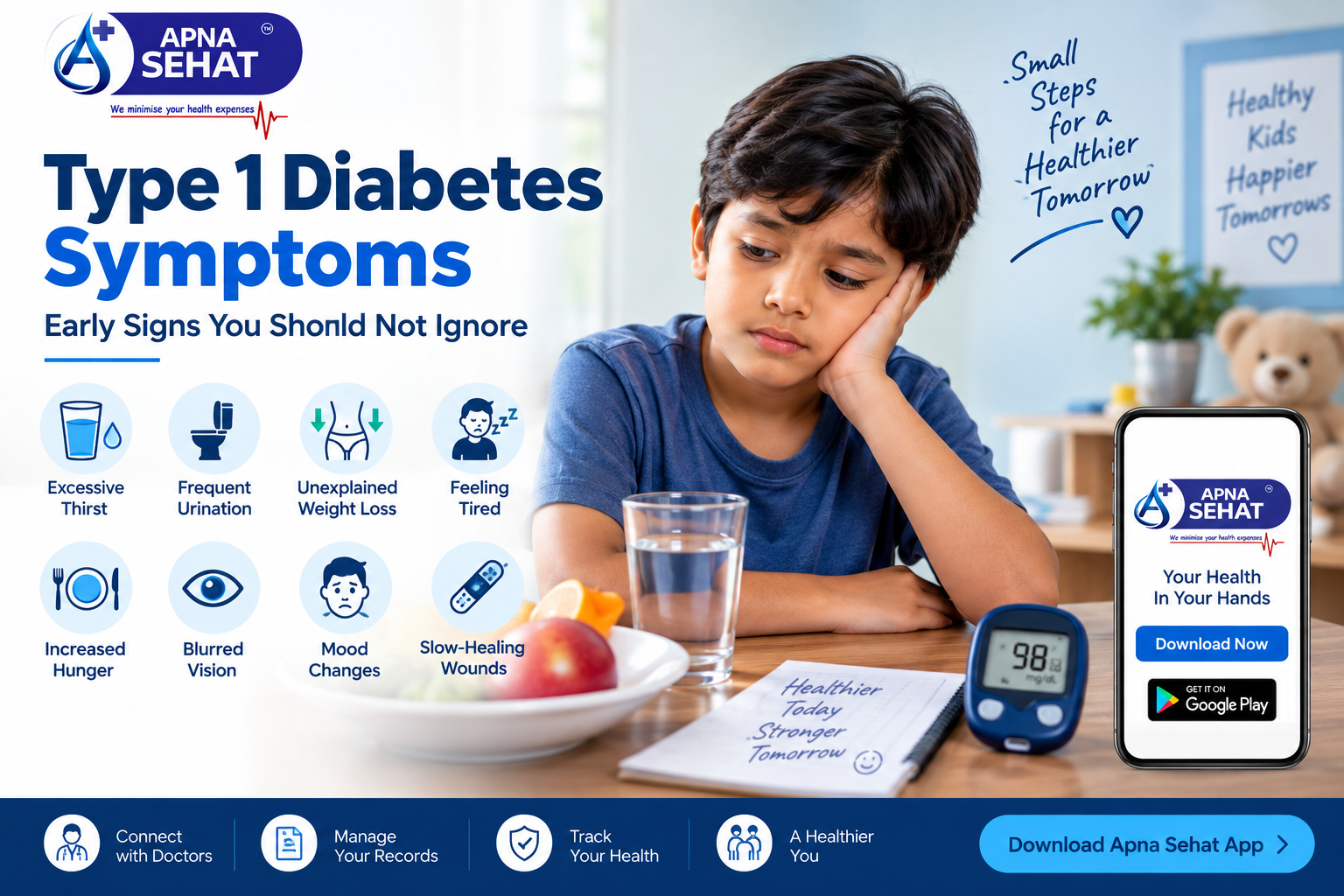
The symptoms of type 1 diabetes can develop relatively quickly. Some of the most common signs include:
1. Frequent Urination
Needing to urinate more often than usual is one of the classic signs of diabetes.
When blood glucose becomes too high, the kidneys work harder to remove the excess glucose through urine. This can increase urination and may also make you feel thirsty more often.
For children, a noticeable change can be bed-wetting after they had previously stopped doing so.
2. Excessive Thirst
If you suddenly find yourself drinking much more water than usual, pay attention to it.
Frequent urination can cause the body to lose more fluid. This may lead to dehydration and persistent thirst. Someone may feel thirsty throughout the day even after drinking plenty of water.
3. Unexplained Weight Loss
Losing weight without changing your diet or intentionally trying to lose weight can be another warning sign.
When the body cannot use glucose properly because there is not enough insulin, it begins using stored fat and other energy sources. This can contribute to unexpected weight loss.
A sudden change in weight is especially worth discussing with a doctor when it occurs alongside increased thirst and frequent urination.
4. Feeling Extremely Tired
Everyone feels tired sometimes. However, persistent or unusual tiredness can be different.
When glucose cannot enter cells properly, the body has difficulty using it as an energy source. Dehydration caused by frequent urination can also contribute to weakness and fatigue.
If someone who is normally active suddenly becomes unusually tired or weak, it should not automatically be dismissed as stress or lack of sleep.
5. Increased Hunger
Some people with type 1 diabetes may feel unusually hungry, even after eating.
The problem is not necessarily a lack of food. Instead, glucose may not be entering the body's cells effectively because of insufficient insulin. As a result, the body may signal that it needs more energy.
6. Blurred Vision
Changes in blood glucose can affect the way the eyes focus, which may result in temporary blurred vision.
Blurred vision can have many causes, so it does not automatically mean someone has diabetes. However, when it appears together with other symptoms such as excessive thirst, frequent urination and unexplained weight loss, medical advice is important.
7. Mood Changes or Irritability
Type 1 diabetes can sometimes be accompanied by irritability or other changes in mood, particularly when blood glucose levels are changing and the person is feeling tired or unwell.
In children, parents may notice unusual irritability, difficulty concentrating or changes in normal behaviour.
8. Slow-Healing Cuts or Frequent Infections
People with diabetes may experience slow-healing wounds or recurrent infections.
These symptoms are not specific to type 1 diabetes, but they can occur alongside other signs of high blood glucose.
Why Do Type 1 Diabetes Symptoms Appear So Quickly?
One important difference between type 1 and type 2 diabetes is the speed at which symptoms may become noticeable.
Type 1 diabetes can progress relatively quickly because the body is losing its ability to produce insulin. The CDC notes that symptoms can appear suddenly over weeks or months and may become severe.
This is why symptoms such as extreme thirst, frequent urination and unexplained weight loss should not simply be ignored.
Type 1 Diabetes Symptoms in Children
Parents may notice different clues in children.
Some signs to watch for include:
-
Drinking water much more frequently
-
Asking for drinks repeatedly
-
Going to the toilet unusually often
-
Bed-wetting after previously staying dry at night
-
Losing weight unexpectedly
-
Feeling tired or lacking energy
-
Increased hunger
-
Irritability or changes in behaviour
-
Blurred vision
The combination of several symptoms is particularly important. If you suspect diabetes in a child, speak with a healthcare professional rather than waiting for the symptoms to disappear.
When Should You See a Doctor?
You should seek medical advice if you or your child develops symptoms that could indicate diabetes, particularly if several symptoms occur together.
A blood glucose test can help determine whether diabetes may be present. Depending on the situation, a healthcare professional may recommend additional testing to understand whether the condition is type 1 diabetes or another form of diabetes.
It is better to get checked than to try to diagnose yourself based only on symptoms.
Warning Signs of Diabetic Ketoacidosis
Type 1 diabetes can sometimes lead to a serious complication called diabetic ketoacidosis (DKA) when there is not enough insulin.
Seek emergency medical help if symptoms are getting worse quickly and are accompanied by signs such as:
-
Abdominal pain
-
Nausea or vomiting
-
Unusual or deep, rapid breathing
-
Extreme sleepiness
-
Confusion
-
A fruity or sweet-smelling breath
DKA can be life-threatening and requires urgent medical treatment.
Can Type 1 Diabetes Be Prevented?
At present, there is no established way to prevent type 1 diabetes.
It is believed to involve an autoimmune reaction in which the body's immune system attacks insulin-producing cells. Genetic and environmental factors may also play a role. Importantly, type 1 diabetes is not caused by simply eating sugar or having an unhealthy lifestyle.
How Is Type 1 Diabetes Diagnosed?
Doctors use blood glucose testing to determine whether a person has diabetes. Depending on the situation, additional tests may be used to help identify type 1 diabetes.
These can include diabetes-related autoantibody tests and other investigations recommended by a healthcare professional.
Symptoms alone cannot confirm a diagnosis.
If you notice several symptoms of type 1 diabetes, don't wait for them to become severe. Arrange a medical evaluation and appropriate blood glucose testing.
Living With Type 1 Diabetes
A diagnosis of type 1 diabetes can initially feel overwhelming, but it can be managed with appropriate medical care.
People with type 1 diabetes generally need insulin every day, along with regular blood glucose monitoring and ongoing support from their healthcare team.
Keeping track of health information, understanding your symptoms and following your doctor's recommendations can make diabetes management more organised.
Keep Your Health Information Within Reach With Apna Sehat
Your health is easier to manage when important information is organised and accessible.
Apna Sehat is designed to help users keep their health journey more organised and connected. Whether you are keeping track of your health information or looking for a convenient way to stay engaged with your healthcare, having the right digital health tools can make everyday health management easier.
Download the Apna Sehat app and explore its features:
Download Apna Sehat on Google Play
Final Thoughts
Type 1 diabetes does not always begin with a dramatic warning. Sometimes the first signs are easy to explain away—drinking more water, visiting the bathroom frequently, feeling tired or losing a little weight.
But when these changes happen together, they deserve attention.
The key symptoms to remember are increased thirst, frequent urination, unexplained weight loss, tiredness, increased hunger and blurred vision. Type 1 diabetes can progress quickly, so early medical assessment is important when these signs appear.
If you are concerned about symptoms in yourself or your child, speak with a qualified healthcare professional and get appropriate testing rather than relying on an online symptom checker.
Apna Sehat — helping you stay more informed and connected with your health.
टाइप 1 डायबिटीज के लक्षण: शुरुआती संकेतों को न करें नजरअंदाज
टाइप 1 डायबिटीज कभी-कभी बिना किसी खास चेतावनी के शुरू हो सकती है। कुछ लोगों में इसके लक्षण कुछ दिनों या हफ्तों के अंदर ही दिखाई देने लगते हैं। बार-बार पेशाब आना, बहुत ज्यादा प्यास लगना, लगातार थकान महसूस होना या बिना कोशिश के वजन कम होना इसके सामान्य शुरुआती संकेतों में शामिल हैं।
खासकर बच्चों और युवाओं में इन लक्षणों को समय रहते पहचानना जरूरी है। टाइप 1 डायबिटीज किसी भी उम्र में हो सकती है और इसके लक्षण तेजी से बढ़ सकते हैं।
इस लेख में जानिए टाइप 1 डायबिटीज क्या है, इसके सामान्य लक्षण क्या हैं, बच्चों में किन संकेतों पर ध्यान देना चाहिए और डॉक्टर से कब संपर्क करना जरूरी है।
टाइप 1 डायबिटीज क्या है?
टाइप 1 डायबिटीज एक दीर्घकालिक बीमारी है, जिसमें शरीर पर्याप्त मात्रा में इंसुलिन नहीं बना पाता या इंसुलिन बनना लगभग बंद हो जाता है।
इंसुलिन एक हार्मोन है, जो खून में मौजूद ग्लूकोज को शरीर की कोशिकाओं तक पहुंचाने में मदद करता है। कोशिकाएं इसी ग्लूकोज का इस्तेमाल ऊर्जा के लिए करती हैं।
टाइप 1 डायबिटीज में शरीर की प्रतिरक्षा प्रणाली गलती से अग्न्याशय (Pancreas) में इंसुलिन बनाने वाली बीटा कोशिकाओं पर हमला करने लगती है। इसके कारण शरीर में इंसुलिन की कमी होने लगती है और ब्लड शुगर बढ़ सकता है।
टाइप 1 डायबिटीज अक्सर बच्चों, किशोरों और युवाओं में पहचानी जाती है, लेकिन यह वयस्कों को भी हो सकती है।
टाइप 1 डायबिटीज के सामान्य लक्षण
टाइप 1 डायबिटीज के लक्षण तेजी से दिखाई दे सकते हैं। इसके कुछ प्रमुख संकेत इस प्रकार हैं:
1. बार-बार पेशाब आना
बार-बार पेशाब आना डायबिटीज के सबसे आम संकेतों में से एक है।
जब ब्लड शुगर सामान्य से अधिक हो जाता है, तो किडनी अतिरिक्त ग्लूकोज को शरीर से बाहर निकालने के लिए अधिक काम करती है। इससे पेशाब अधिक आने लगता है।
बच्चों में एक संकेत यह भी हो सकता है कि जो बच्चा पहले रात में बिस्तर गीला नहीं करता था, वह अचानक फिर से ऐसा करने लगे।
2. बहुत ज्यादा प्यास लगना
अगर आपको अचानक सामान्य से बहुत अधिक पानी पीने की जरूरत महसूस होने लगे, तो इसे नजरअंदाज नहीं करना चाहिए।
बार-बार पेशाब आने के कारण शरीर से अधिक मात्रा में पानी बाहर निकल सकता है। इससे शरीर में पानी की कमी हो सकती है और लगातार तेज प्यास लग सकती है।
अगर पानी पीने के बाद भी प्यास कम नहीं हो रही है और साथ में बार-बार पेशाब भी आ रहा है, तो डॉक्टर से सलाह लेना उचित है।
3. बिना कोशिश के वजन कम होना
अगर आपका वजन बिना डाइटिंग या एक्सरसाइज बढ़ाए अचानक कम होने लगे, तो यह भी ध्यान देने योग्य संकेत हो सकता है।
जब शरीर ग्लूकोज का सही तरीके से इस्तेमाल नहीं कर पाता, तो वह ऊर्जा के लिए शरीर में जमा फैट और अन्य ऊर्जा स्रोतों का इस्तेमाल करना शुरू कर सकता है। इससे वजन कम हो सकता है।
अगर वजन कम होने के साथ बहुत ज्यादा प्यास और बार-बार पेशाब आने जैसे लक्षण भी हैं, तो मेडिकल जांच करवाना जरूरी है।
4. लगातार थकान और कमजोरी
हर किसी को कभी-कभी थकान महसूस होती है। लेकिन अगर बिना किसी स्पष्ट कारण के लगातार कमजोरी या अत्यधिक थकान रहने लगे, तो इसके पीछे कोई स्वास्थ्य समस्या हो सकती है।
इंसुलिन की कमी होने पर ग्लूकोज शरीर की कोशिकाओं में ऊर्जा के लिए सही तरीके से इस्तेमाल नहीं हो पाता। इसके अलावा बार-बार पेशाब आने से शरीर में पानी की कमी भी थकान बढ़ा सकती है।
5. बार-बार या ज्यादा भूख लगना
कुछ लोगों को टाइप 1 डायबिटीज के दौरान सामान्य से ज्यादा भूख लग सकती है।
ऐसा इसलिए हो सकता है क्योंकि पर्याप्त इंसुलिन न होने के कारण ग्लूकोज शरीर की कोशिकाओं तक प्रभावी तरीके से नहीं पहुंच पाता। शरीर को ऊर्जा की जरूरत महसूस होती रहती है और इसके कारण भूख बढ़ सकती है।
6. आंखों से धुंधला दिखाई देना
ब्लड शुगर में बदलाव से आंखों के फोकस करने के तरीके पर असर पड़ सकता है। इसके कारण कुछ लोगों को कुछ समय के लिए धुंधला दिखाई दे सकता है।
धुंधला दिखाई देने के कई कारण हो सकते हैं, इसलिए केवल इस लक्षण के आधार पर डायबिटीज का निष्कर्ष नहीं निकालना चाहिए।
लेकिन अगर इसके साथ बहुत ज्यादा प्यास, बार-बार पेशाब और वजन कम होने जैसे लक्षण भी मौजूद हैं, तो डॉक्टर से जांच करवाना बेहतर है।
7. चिड़चिड़ापन या मूड में बदलाव
टाइप 1 डायबिटीज के दौरान कुछ लोगों में चिड़चिड़ापन या मूड में बदलाव भी दिखाई दे सकता है।
बच्चों में माता-पिता अचानक व्यवहार में बदलाव, चिड़चिड़ापन, ध्यान लगाने में परेशानी या सामान्य गतिविधियों में रुचि कम होने जैसे संकेत देख सकते हैं।
8. घाव देर से भरना या बार-बार संक्रमण होना
डायबिटीज से पीड़ित कुछ लोगों में घाव भरने में अधिक समय लग सकता है या बार-बार संक्रमण हो सकता है।
हालांकि ये लक्षण केवल टाइप 1 डायबिटीज के लिए विशिष्ट नहीं हैं, लेकिन अगर इनके साथ डायबिटीज के दूसरे संकेत भी मौजूद हों, तो डॉक्टर से सलाह लेना जरूरी है।
टाइप 1 डायबिटीज के लक्षण जल्दी क्यों दिखाई देते हैं?
टाइप 1 डायबिटीज में शरीर की इंसुलिन बनाने की क्षमता तेजी से कम हो सकती है। इसी वजह से इसके लक्षण कई बार कुछ हफ्तों या महीनों के भीतर स्पष्ट दिखाई देने लगते हैं।
बहुत ज्यादा प्यास लगना, बार-बार पेशाब आना, अचानक वजन कम होना और अत्यधिक थकान जैसे लक्षणों को केवल मौसम, तनाव या सामान्य कमजोरी मानकर नजरअंदाज करना सही नहीं है।
बच्चों में टाइप 1 डायबिटीज के लक्षण
बच्चों में डायबिटीज के कुछ संकेत माता-पिता के लिए पहचानना आसान हो सकते हैं।
इन लक्षणों पर ध्यान दें:
-
सामान्य से ज्यादा पानी पीना
-
बार-बार प्यास लगना
-
बार-बार टॉयलेट जाना
-
रात में अचानक बिस्तर गीला करना
-
बिना किसी स्पष्ट कारण के वजन कम होना
-
लगातार थकान या कमजोरी
-
बहुत ज्यादा भूख लगना
-
चिड़चिड़ापन या व्यवहार में बदलाव
-
धुंधला दिखाई देना
अगर बच्चे में एक साथ कई लक्षण दिखाई दे रहे हैं, तो डॉक्टर से जल्द संपर्क करना बेहतर है। केवल लक्षण देखकर घर पर डायबिटीज का इलाज या निष्कर्ष निकालने की कोशिश न करें।
डॉक्टर से कब संपर्क करना चाहिए?
अगर आपको या आपके बच्चे को डायबिटीज से जुड़े कई लक्षण दिखाई दे रहे हैं, तो डॉक्टर से सलाह लेना जरूरी है।
ब्लड ग्लूकोज टेस्ट से यह पता लगाने में मदद मिल सकती है कि ब्लड शुगर सामान्य है या नहीं। डॉक्टर जरूरत के अनुसार अन्य जांच भी करवा सकते हैं ताकि यह समझा जा सके कि डायबिटीज किस प्रकार की है।
याद रखें, सिर्फ लक्षणों के आधार पर डायबिटीज की पुष्टि नहीं की जा सकती। सही जानकारी के लिए मेडिकल जांच जरूरी है।
डायबिटिक कीटोएसिडोसिस (DKA) के चेतावनी संकेत
टाइप 1 डायबिटीज में एक गंभीर स्थिति डायबिटिक कीटोएसिडोसिस (Diabetic Ketoacidosis या DKA) हो सकती है। यह तब हो सकती है जब शरीर में पर्याप्त इंसुलिन नहीं होता।
अगर डायबिटीज के लक्षण तेजी से बढ़ रहे हों और इनके साथ नीचे दिए गए संकेत दिखाई दें, तो तुरंत चिकित्सा सहायता लें:
-
पेट में दर्द
-
मतली या उल्टी
-
तेज या गहरी सांस लेना
-
बहुत ज्यादा नींद या सुस्ती
-
भ्रम या कन्फ्यूजन
-
सांस से फल जैसी या मीठी गंध आना
DKA एक गंभीर और जानलेवा स्थिति हो सकती है, इसलिए ऐसी स्थिति में इलाज में देरी नहीं करनी चाहिए।
क्या टाइप 1 डायबिटीज को रोका जा सकता है?
फिलहाल टाइप 1 डायबिटीज को पूरी तरह रोकने का कोई स्थापित तरीका नहीं है।
यह मुख्य रूप से एक ऑटोइम्यून प्रक्रिया से जुड़ी बीमारी है, जिसमें शरीर की प्रतिरक्षा प्रणाली इंसुलिन बनाने वाली कोशिकाओं पर हमला करती है। इसमें आनुवंशिक और पर्यावरणीय कारकों की भी भूमिका हो सकती है।
एक महत्वपूर्ण बात यह है कि टाइप 1 डायबिटीज केवल ज्यादा चीनी खाने या खराब लाइफस्टाइल के कारण नहीं होती।
टाइप 1 डायबिटीज की जांच कैसे होती है?
डायबिटीज की जांच के लिए डॉक्टर ब्लड ग्लूकोज टेस्ट कर सकते हैं। स्थिति के अनुसार डॉक्टर कुछ अतिरिक्त जांचों की सलाह भी दे सकते हैं।
इनमें डायबिटीज से जुड़े ऑटोएंटीबॉडी टेस्ट और अन्य जांच शामिल हो सकती हैं।
अगर आपको टाइप 1 डायबिटीज के कई लक्षण दिखाई दे रहे हैं, तो लक्षणों के गंभीर होने का इंतजार न करें। डॉक्टर से मिलकर उचित जांच करवाना बेहतर है।
टाइप 1 डायबिटीज के साथ जीवन कैसे मैनेज करें?
टाइप 1 डायबिटीज का पता चलने के बाद शुरुआत में चिंता या परेशानी महसूस होना स्वाभाविक है। लेकिन सही मेडिकल देखभाल और नियमित निगरानी के साथ इसे मैनेज किया जा सकता है।
टाइप 1 डायबिटीज वाले लोगों को आमतौर पर रोजाना इंसुलिन की जरूरत होती है। इसके साथ ब्लड ग्लूकोज की नियमित निगरानी और डॉक्टर की सलाह का पालन करना भी महत्वपूर्ण है।
अपने स्वास्थ्य से जुड़ी जरूरी जानकारी को व्यवस्थित रखना और डॉक्टर के निर्देशों का पालन करना रोजमर्रा की डायबिटीज मैनेजमेंट को आसान बना सकता है।
Apna Sehat के साथ अपनी हेल्थ को रखें व्यवस्थित
अपनी सेहत से जुड़ी महत्वपूर्ण जानकारी को व्यवस्थित और आसानी से उपलब्ध रखना आज के समय में काफी उपयोगी हो सकता है।
Apna Sehat एक डिजिटल हेल्थ प्लेटफॉर्म है, जो उपयोगकर्ताओं को अपनी हेल्थ जर्नी को अधिक व्यवस्थित तरीके से मैनेज करने में मदद करने के लिए बनाया गया है।
अगर आप अपनी हेल्थ से जुड़ी जानकारी को बेहतर तरीके से मैनेज करना चाहते हैं, तो Apna Sehat ऐप डाउनलोड करें और इसके फीचर्स के बारे में जानें।
???? Apna Sehat App डाउनलोड करें
अपनी हेल्थ जर्नी को बेहतर तरीके से मैनेज करने के लिए आज ही Apna Sehat ऐप डाउनलोड करें।
Google Play Store से Apna Sehat डाउनलोड करें
निष्कर्ष
टाइप 1 डायबिटीज हमेशा किसी बड़े या अचानक दिखाई देने वाले लक्षण से शुरू नहीं होती। कई बार इसके शुरुआती संकेत बहुत सामान्य लग सकते हैं—जैसे बार-बार पानी पीना, बार-बार पेशाब आना, लगातार थकान या बिना कोशिश के वजन कम होना।
लेकिन अगर इनमें से कई लक्षण एक साथ दिखाई दे रहे हैं, तो उन्हें नजरअंदाज नहीं करना चाहिए।
बहुत ज्यादा प्यास, बार-बार पेशाब आना, अचानक वजन कम होना, लगातार थकान, ज्यादा भूख लगना और धुंधला दिखाई देना टाइप 1 डायबिटीज के महत्वपूर्ण संकेत हो सकते हैं।
अगर आपको या आपके बच्चे में ऐसे लक्षण दिखाई देते हैं, तो ऑनलाइन जानकारी के आधार पर खुद से बीमारी का निष्कर्ष निकालने के बजाय योग्य डॉक्टर से संपर्क करें और उचित जांच करवाएं।
Apna Sehat — आपकी सेहत, आपकी बेहतर देखभाल।